
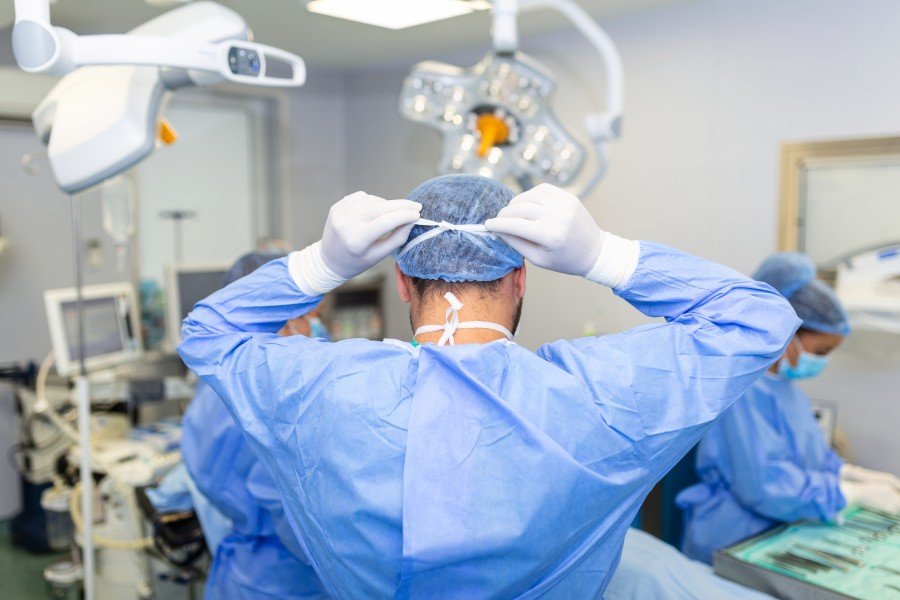
Piles, also called hemorrhoids, are swollen blood vessels and surrounding tissue in the lower rectum or anus. They can cause pain, itching, bleeding, irritation, or a lump around the anus. While mild cases may improve with dietary and lifestyle changes, persistent or advanced symptoms sometimes require a procedure. Laser Piles Surgery in North Delhi is one minimally invasive treatment option that a surgeon may consider after evaluating the type and severity of hemorrhoids.
For fast information, direct chat with us on WhatsApp.
Laser piles surgery uses focused laser energy to treat selected hemorrhoidal tissue while limiting damage to surrounding areas. It may be considered for certain symptomatic hemorrhoids when conservative treatment is insufficient. Suitability depends on factors such as hemorrhoid grade, symptoms, previous treatment, and overall health, so a surgical examination is important before choosing this approach.
What Are Painful Piles?
Hemorrhoids are commonly classified as internal or external. Internal hemorrhoids develop inside the anal canal, while external hemorrhoids form under the skin around the anus. Internal hemorrhoids are often associated with bleeding or tissue coming out during bowel movements, whereas external hemorrhoids can become painful, particularly when a blood clot forms.
Common symptoms include:
- Pain or discomfort during or after bowel movements
- Bright-red bleeding from the anus
- Itching or irritation
- Swelling around the anus
- A lump or tissue protruding from the anal opening
- Difficulty sitting comfortably
Not every case of rectal bleeding is caused by piles. Persistent, recurrent, or unexplained bleeding should therefore be assessed by a medical professional rather than automatically attributed to hemorrhoids.
When Can Laser Treatment Be Considered?
Treatment depends on the individual rather than simply the presence of piles. Doctors generally consider the severity of symptoms, hemorrhoid grade, examination findings, and response to non-surgical treatment.
For some patients with symptomatic internal hemorrhoids, procedures such as rubber-band ligation or other interventions may be appropriate. In selected cases, laser-based techniques can also be discussed.
Laser Piles Surgery in North Delhi may be considered when symptoms continue despite appropriate conservative measures or when the hemorrhoids are causing significant discomfort or other problems. However, laser treatment is not automatically suitable for every type or stage of hemorrhoids.
Why Proper Evaluation Matters
A surgeon may ask about bleeding, pain, bowel habits, constipation, previous treatments, and other symptoms. A physical examination can help determine whether the symptoms are actually caused by hemorrhoids and whether another anorectal condition needs attention.
Depending on the symptoms and clinical findings, additional examination may sometimes be recommended.
How Does Laser Piles Surgery Work?
The exact technique depends on the type of laser procedure being performed. In laser hemorrhoid procedures, controlled laser energy is directed at the targeted hemorrhoidal tissue. The goal is to reduce or shrink the abnormal tissue and address its blood supply while limiting injury to nearby structures.
The procedure is generally performed by a trained surgeon using appropriate anesthesia. The details of anesthesia, duration, and whether the patient can return home the same day depend on the procedure and individual circumstances.
It is important to understand that the term “laser piles surgery” can describe different techniques. Patients should ask their surgeon which specific procedure is being recommended and why it is appropriate for their condition.
Potential Benefits of Laser-Based Piles Treatment
For appropriately selected patients, a minimally invasive laser approach may offer certain practical advantages. Depending on the specific technique and clinical situation, these can include treatment through a relatively small operative area and a potentially shorter recovery compared with some conventional surgical approaches.
However, outcomes vary. Laser treatment should not be presented as universally better than established hemorrhoid procedures. The right choice depends on the patient’s symptoms, hemorrhoid characteristics, surgeon’s assessment, and available treatment options.
A consultation can help compare laser treatment with alternatives such as medication, dietary management, office-based procedures, or conventional surgery.
What Is Recovery Like After Laser Treatment?
Recovery varies according to the procedure performed and the extent of treatment. Your surgeon will provide specific instructions regarding activity, diet, medication, and wound or bowel care.
Common advice may include:
- Drink adequate fluids unless medically restricted.
- Eat enough dietary fibre to keep stools soft.
- Avoid straining during bowel movements.
- Follow prescribed medicines exactly as directed.
- Keep the anal area clean according to your surgeon’s instructions.
- Gradually return to normal activities as advised.
Some discomfort can occur after treatment. Pain, bleeding, fever, increasing swelling, or difficulty passing urine should not be ignored. Contact your treating doctor promptly if symptoms are severe, worsening, or unexpected.
Can Lifestyle Changes Help Prevent Piles From Getting Worse?
Even when a procedure is recommended, bowel habits remain important. Hard stools and repeated straining can contribute to hemorrhoid symptoms.
Helpful measures can include increasing fibre through vegetables, fruits, whole grains, and other suitable foods, drinking adequate water, staying physically active, and responding to the urge to pass stool rather than repeatedly delaying it.
If constipation is persistent, speak with a healthcare professional about appropriate management instead of relying on repeated self-treatment.
Choosing a Surgeon for Piles Treatment in North Delhi
Choosing a treatment provider involves more than looking for a particular procedure. Consider whether the surgeon evaluates the underlying cause of symptoms, explains available treatment options, discusses potential risks and benefits, and provides clear follow-up instructions.
If you are searching for Laser Piles Surgery in North Delhi, ask questions such as:
- Which type and grade of hemorrhoids do I have?
- Is laser treatment appropriate for my condition?
- What alternatives are available?
- What type of anesthesia will be used?
- What should I expect during recovery?
- What symptoms should prompt an urgent follow-up?
Clear answers can help you make an informed treatment decision based on your individual condition.
Frequently Asked Questions
1. Is laser piles surgery suitable for everyone?
No. Laser treatment is not suitable for every patient or every type of hemorrhoid. The appropriate approach depends on the hemorrhoid’s type and severity, symptoms, examination findings, and previous treatment. A surgeon should assess the condition before recommending laser treatment or another procedure.
2. How long does recovery take after laser piles treatment?
Recovery time varies with the technique used and the individual patient. Some people can resume light activities relatively soon, while others may need more time. Your surgeon will advise when you can return to work, exercise, driving, and other normal activities based on your recovery.
3. Can piles return after laser treatment?
Yes, hemorrhoids can recur after treatment. A procedure addresses the existing condition but does not eliminate factors such as constipation, prolonged straining, or unhealthy bowel habits. Maintaining adequate fibre intake, hydration, physical activity, and healthy toilet habits may help reduce the risk of recurring symptoms.
4. Is bleeding from piles always harmless?
No. Although hemorrhoids can cause bright-red rectal bleeding, bleeding should not automatically be assumed to be from piles. Persistent, heavy, recurrent, dark, or unexplained bleeding requires medical evaluation. A doctor can determine whether hemorrhoids are responsible or whether another condition needs investigation.
5. How do I choose a piles surgeon in North Delhi?
Look for a qualified surgeon who performs a proper examination and explains both surgical and non-surgical options. Ask about the recommended procedure, expected recovery, possible complications, and follow-up care. The decision should be based on your diagnosis and clinical needs rather than the popularity of a particular technique.
Conclusion
Painful piles can interfere with sitting, working, sleeping, and everyday activities, but treatment should be based on an accurate diagnosis rather than symptoms alone. Laser Piles Surgery in North Delhi may be an option for selected patients when conservative measures are not enough, but it is not the right procedure for every hemorrhoid condition. Dr. Dhruv Kundra can assess the type and severity of piles, explain suitable alternatives, and discuss expected recovery and potential risks. If you have persistent pain, bleeding, swelling, or tissue protrusion, consider arranging a medical evaluation rather than continuing to manage the symptoms on your own. An informed consultation is the best starting point for choosing appropriate piles treatment.