
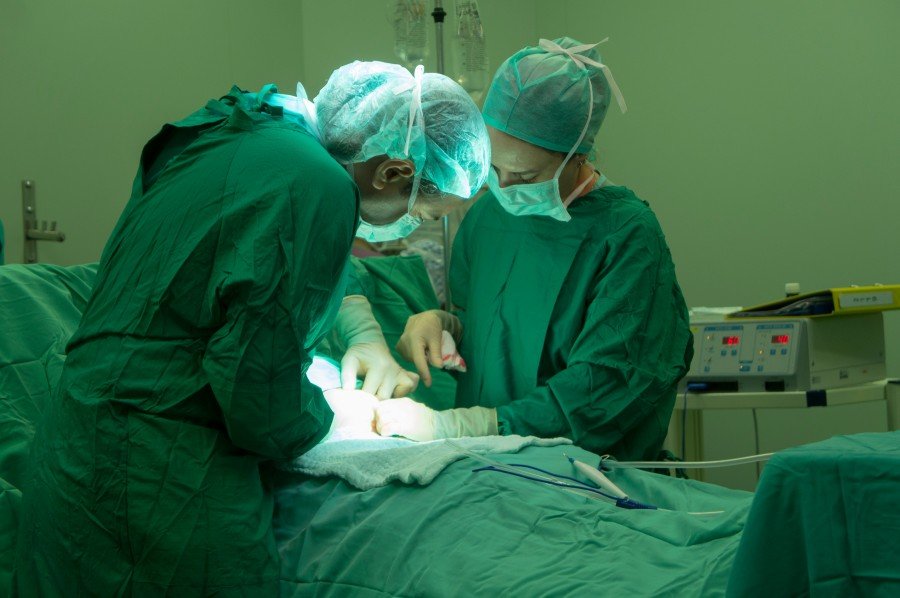
Living with obesity can affect much more than body weight. It may influence mobility, energy levels, sleep, blood sugar, blood pressure, and overall quality of life. For some people, regular exercise, dietary changes, and medical weight-management programs may not provide sufficient or lasting results. In such situations, bariatric or weight-loss surgery may be discussed as part of a comprehensive treatment plan. Laparoscopic Weight Loss Surgery in West Delhi can be an option for appropriately selected patients who need a medically supervised approach to significant weight reduction. However, surgery is not suitable for everyone. Understanding when it may be considered is an important first step.
For fast information, direct chat with us on WhatsApp.
Laparoscopic weight loss surgery may be considered when obesity is significant, lifestyle and medical approaches have not produced adequate results, and excess weight is affecting health or quality of life. Eligibility depends on factors such as BMI, obesity-related conditions, previous weight-management efforts, and overall health. A bariatric surgeon can assess individual suitability.
What Is Laparoscopic Weight Loss Surgery?
Laparoscopic weight-loss surgery refers to bariatric procedures performed through several small abdominal incisions using specialized instruments and a camera. Compared with traditional open surgery, laparoscopic techniques generally involve smaller incisions and may support an easier postoperative recovery, although every operation carries risks.
Depending on the patient’s circumstances, a surgeon may discuss procedures such as sleeve gastrectomy or gastric bypass. These operations work in different ways and have different benefits, risks, nutritional considerations, and long-term requirements.
The appropriate procedure should be selected after a detailed medical assessment rather than based solely on the amount of weight someone wants to lose.
When Should You Consider Laparoscopic Weight Loss Surgery in West Delhi?
Surgery may become a consideration when obesity has become difficult to manage despite appropriate non-surgical efforts. A surgeon will usually look at the complete health picture rather than relying on weight alone.
1. When obesity is affecting your health
Significant obesity can occur alongside conditions such as:
- Type 2 diabetes
- High blood pressure
- Obstructive sleep apnea
- Fatty liver disease
- Joint problems
- Cardiovascular risk factors
- Reduced physical mobility
When excess weight contributes to health problems, meaningful and sustained weight reduction may become an important part of medical management.
2. When lifestyle measures have not been enough
A healthy diet and regular physical activity remain important before and after bariatric surgery. However, some individuals experience difficulty achieving substantial or sustained weight loss through lifestyle changes alone.
If structured nutrition, physical activity, behavioural changes, and appropriate medical treatment have been tried without adequate improvement, surgery may be discussed as another treatment option.
3. When weight is affecting everyday life
Obesity can make ordinary activities more challenging. Walking, climbing stairs, working comfortably, exercising, or participating in social activities may become difficult.
If excess weight is limiting daily functioning or significantly affecting quality of life, discussing medically supervised weight-management options with a specialist can be worthwhile.
Who May Be a Candidate for Bariatric Surgery?
Eligibility is individualized. Traditionally, BMI has been an important factor in determining whether bariatric surgery should be considered, particularly for people with severe obesity or obesity-related medical conditions.
However, modern bariatric assessment looks beyond BMI alone. The surgeon may consider:
- Overall medical history
- Existing obesity-related conditions
- Previous attempts at weight management
- Eating and lifestyle patterns
- Medications
- Mental and emotional health
- Ability to follow postoperative dietary and lifestyle recommendations
- Potential surgical risks
Therefore, someone should not decide independently that surgery is appropriate based only on an online BMI calculator.
What Happens Before the Procedure?
A thorough preoperative evaluation helps determine whether surgery is appropriate and how to reduce potential risks.
Depending on individual needs, assessment may include blood tests, nutritional evaluation, medical review, anaesthesia assessment, and discussions about diet and lifestyle. Some patients may also require evaluation for conditions such as sleep apnea or other obesity-related problems.
The surgeon should also explain the proposed operation, expected benefits, possible complications, dietary changes, follow-up schedule, and long-term nutritional requirements.
What Are the Benefits and Limitations?
Bariatric surgery can help appropriately selected patients achieve substantial weight loss and may improve some obesity-related health conditions. The extent of benefit varies from person to person.
However, surgery is not a quick fix. Long-term results depend on ongoing dietary habits, physical activity, medical follow-up, and adherence to nutritional recommendations.
Patients may also need vitamin and mineral supplementation and periodic monitoring after certain procedures. Potential complications can include bleeding, infection, blood clots, nutritional deficiencies, gastrointestinal problems, or other procedure-specific risks.
A balanced discussion of both benefits and risks is essential before making a decision.
Recovery and Life After Weight Loss Surgery
Recovery varies according to the procedure and the patient’s overall health. Initially, the diet is usually progressed gradually according to the surgical team’s instructions.
Over time, patients generally transition toward a balanced eating pattern with attention to portion sizes, protein intake, hydration, and nutritional supplementation when prescribed.
Regular follow-up is particularly important. It allows the healthcare team to monitor weight changes, nutritional status, medical conditions, and any complications while helping the patient maintain healthy habits.
How to Choose a Bariatric Surgeon in West Delhi
Choosing the right specialist is an important part of the process. Rather than focusing only on advertised weight-loss results, consider the surgeon’s training, experience with laparoscopic bariatric procedures, hospital support, preoperative evaluation process, and postoperative follow-up.
During consultation, ask about the recommended procedure, why it is appropriate for you, potential risks, recovery expectations, nutritional requirements, and long-term follow-up.
A good consultation should give you enough information to make an informed decision rather than pressure you toward surgery.
5 FAQs
Frequently Asked Questions
1. When is weight loss surgery usually considered?
Weight-loss surgery may be considered for people with significant obesity when lifestyle and medical approaches have not provided adequate results, particularly when obesity is contributing to other health problems. Eligibility depends on individual factors such as BMI, medical history, previous treatment efforts, and surgical risk. A specialist assessment is necessary before deciding.
2. Is laparoscopic bariatric surgery suitable for everyone?
No, laparoscopic bariatric surgery is not suitable for everyone. A surgeon evaluates obesity severity, associated medical conditions, previous weight-management efforts, nutritional status, and overall physical and psychological health. The patient’s ability to follow long-term dietary, lifestyle, and follow-up recommendations is also an important part of the assessment.
3. How long does recovery take after laparoscopic weight-loss surgery?
Recovery varies depending on the specific bariatric procedure, overall health, and individual healing. Many patients gradually return to normal activities over the following weeks, but the surgical team provides personalized instructions. Diet progression, physical activity, wound care, and follow-up appointments should all follow the treating team’s recommendations.
4. Can weight-loss surgery improve obesity-related health conditions?
Yes, bariatric surgery can improve or help manage several obesity-related conditions in appropriately selected patients. These may include type 2 diabetes, high blood pressure, sleep apnea, and mobility-related problems. The degree of improvement varies, and surgery should be considered alongside ongoing medical care and healthy lifestyle changes.
5. How should I choose a specialist for bariatric surgery in West Delhi?
Look for a qualified surgeon with appropriate training and experience in laparoscopic bariatric procedures. Ask about the recommended operation, potential risks, hospital facilities, nutritional support, and postoperative follow-up. A detailed consultation is important because the safest and most suitable approach depends on your individual health and weight-management history.
Conclusion
Choosing surgery for obesity is a significant medical decision and should be based on more than a desire to lose weight quickly. Laparoscopic Weight Loss Surgery in West Delhi may be considered when obesity is substantial, previous weight-management approaches have not provided adequate results, or excess weight is contributing to health or quality-of-life concerns.
The right procedure also varies between patients. A thorough evaluation can help determine whether bariatric surgery is appropriate, which approach may be suitable, and what preparation and long-term care will involve. If you are considering weight-loss surgery, the next practical step is to discuss your medical history, weight-management journey, and treatment options with Dr. Dhruv Kundra.