
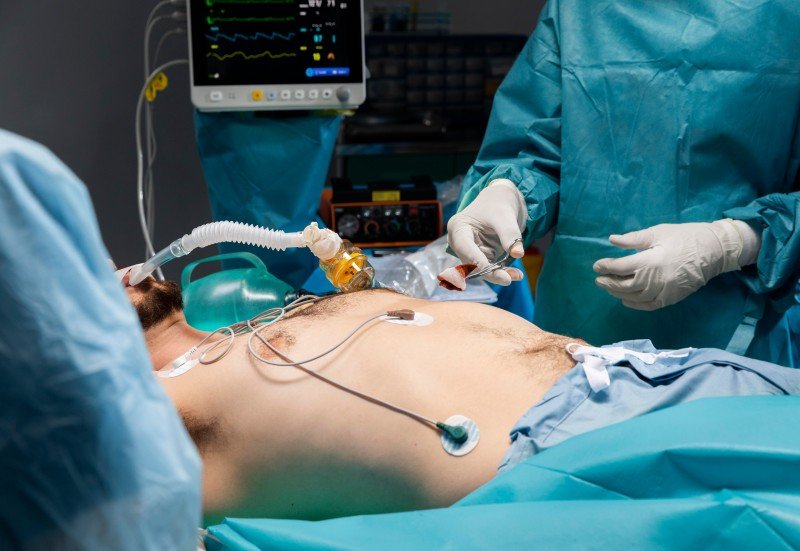
Obesity affects much more than appearance. It increases the risk of chronic conditions such as type 2 diabetes, high blood pressure, heart disease, sleep apnea, and joint problems. While healthy eating and regular exercise remain essential, some people struggle to achieve lasting results through lifestyle changes alone. In such cases, Laparoscopic Weight Loss Surgery in Tilak Nagar offers an effective treatment option that supports significant weight loss and improves overall health.
Modern laparoscopic techniques involve smaller incisions, reduced discomfort, and faster recovery than traditional open surgery. More importantly, these procedures often lead to remarkable improvements in obesity-related medical conditions, helping patients enjoy a healthier and more active life.
For fast information, direct chat with us on WhatsApp.
Dr. Dhruv Kundra helps eligible patients lose excess weight safely while improving obesity-related conditions such as type 2 diabetes, high blood pressure, sleep apnea, and joint pain. Combined with healthy lifestyle changes and regular follow-up care, it can significantly improve long-term health and quality of life.
Why Obesity Affects Overall Health
Excess body weight places continuous stress on nearly every organ in the body. Over time, this can lead to metabolic changes that increase the risk of serious health problems.
Common obesity-related conditions include:
- Type 2 diabetes
- High blood pressure (hypertension)
- High cholesterol
- Heart disease
- Fatty liver disease
- Sleep apnea
- Osteoarthritis
- Reduced mobility
- Hormonal imbalance
As weight increases, managing these conditions often becomes more difficult. Therefore, effective weight reduction can produce significant health improvements.
What Is Laparoscopic Weight Loss Surgery?
Laparoscopic weight loss surgery, also called bariatric surgery, includes minimally invasive procedures that reduce the size of the stomach and, in some cases, change how food moves through the digestive system.
Because surgeons perform the procedure through small incisions using a camera and specialized instruments, patients usually experience:
- Less pain after surgery
- Smaller scars
- Lower risk of wound complications
- Shorter hospital stay
- Faster recovery
Common laparoscopic bariatric procedures include gastric sleeve surgery and gastric bypass surgery. Your surgeon recommends the most suitable option based on your medical history, body mass index (BMI), and overall health.
How Laparoscopic Weight Loss Surgery in Tilak Nagar Helps Control Diabetes
One of the most remarkable benefits of bariatric surgery is its positive effect on type 2 diabetes.
Many patients notice improved blood sugar control within days or weeks after surgery, even before significant weight loss occurs. This happens because surgery affects hormones involved in insulin production and glucose regulation.
Benefits may include:
- Better blood sugar control
- Reduced insulin resistance
- Lower dependence on diabetes medications
- Improved HbA1c levels
- Reduced risk of diabetes-related complications
Although surgery is not considered a cure, many patients achieve long-term diabetes remission when they maintain healthy habits after the procedure.
Improved Blood Pressure and Heart Health
Obesity forces the heart to work harder, increasing blood pressure and placing extra stress on the cardiovascular system.
As body weight decreases after surgery, many patients experience:
- Lower blood pressure
- Improved circulation
- Better cholesterol levels
- Reduced risk of heart attack
- Lower risk of stroke
Your doctor will continue monitoring blood pressure and medications during follow-up visits because treatment requirements often change as overall health improves.
Additional Health Benefits Beyond Weight Loss
Weight loss surgery provides benefits that extend well beyond the numbers on the weighing scale.
Better Sleep Quality
Many obese individuals suffer from obstructive sleep apnea. Losing excess weight often reduces airway obstruction, resulting in:
- Improved sleep
- Less snoring
- Better daytime energy
- Reduced dependence on CPAP therapy in appropriate cases
Reduced Joint Pain
Excess weight places tremendous pressure on the knees, hips, and lower back.
Weight reduction can help:
- Decrease joint pain
- Improve mobility
- Make physical activity easier
- Enhance overall quality of life
Improved Mental Well-being
Many patients report greater confidence after successful weight loss.
Additional emotional benefits may include:
- Better self-esteem
- Increased physical activity
- Improved social participation
- Enhanced overall quality of life
While surgery supports physical health, emotional well-being also benefits from counseling, family support, and healthy lifestyle changes.
Who May Benefit from Weight Loss Surgery?
Not everyone with excess weight requires surgery.
Doctors generally recommend bariatric surgery for individuals who:
- Have a BMI of 40 or higher
- Have a BMI above 35 with obesity-related conditions such as diabetes or hypertension
- Have been unable to achieve sustained weight loss through supervised diet and exercise
- Understand the lifelong commitment required after surgery
A thorough medical evaluation helps determine whether surgery is the right choice.
Lifestyle Changes Remain Essential
Weight loss surgery serves as a powerful tool rather than a standalone solution.
Long-term success depends on maintaining healthy habits such as:
- Eating balanced meals
- Consuming adequate protein
- Drinking enough water
- Exercising regularly
- Taking prescribed vitamin supplements
- Attending routine follow-up appointments
Patients who actively participate in their long-term care generally experience better outcomes.
Recovery After Laparoscopic Surgery
Recovery varies from person to person, but most patients resume light daily activities within one to two weeks.
During recovery, your healthcare team provides guidance on:
- Gradual dietary progression
- Physical activity
- Wound care
- Hydration
- Nutritional supplements
- Follow-up monitoring
Following medical advice carefully supports healing and promotes lasting weight loss.
Choosing the Right Bariatric Surgeon
Selecting an experienced surgeon plays a vital role in achieving safe and successful outcomes.
When evaluating a specialist, consider:
- Experience in laparoscopic bariatric procedures
- Comprehensive pre-operative assessment
- Personalized treatment planning
- Structured nutritional counseling
- Long-term follow-up care
- Multidisciplinary support team
Patients seeking Laparoscopic Weight Loss Surgery in Tilak Nagar should choose a qualified surgeon who provides individualized care before and after surgery.
Conclusion
Obesity affects multiple aspects of health, including blood sugar control, blood pressure, heart function, mobility, and overall quality of life. Laparoscopic Weight Loss Surgery in Tilak Nagar offers an evidence-based treatment option for eligible patients who have struggled with long-term weight management. When combined with healthy eating, regular exercise, and ongoing medical follow-up, it can lead to significant improvements in diabetes, hypertension, and many other obesity-related conditions. If you are considering weight loss surgery, consult an experienced bariatric specialist for a comprehensive evaluation. Personalized guidance helps determine the most appropriate treatment plan and supports a healthier future with sustainable long-term results.