
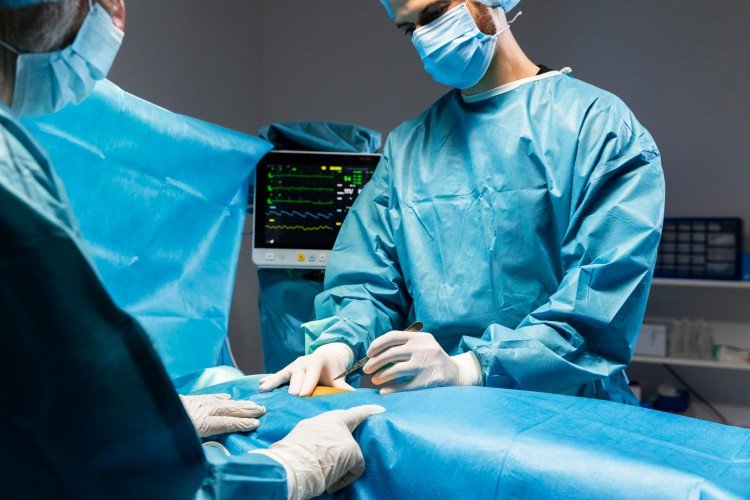
When surgery becomes necessary, choosing Dr. Dhruv Kundra is an important decision. If your doctor has recommended a minimally invasive procedure, you may be looking for a Laparoscopic Surgeon in New Delhi who has appropriate training, relevant surgical experience, and access to suitable hospital facilities. Laparoscopic surgery uses small incisions and a camera-assisted approach to perform many abdominal and pelvic procedures. However, not every operation is suitable for this technique, and the best surgical approach depends on the condition, medical history, and individual circumstances.
For fast information, direct chat with us on WhatsApp.
A Laparoscopic Surgeon in New Delhi should have appropriate surgical qualifications, relevant experience with your specific procedure, access to suitable hospital facilities, and a clear approach to patient communication. Before choosing a surgeon, discuss treatment alternatives, potential risks, expected recovery, and follow-up care during your consultation. Knowing what to look for can help you have a more informed discussion with your surgeon.
What Is Laparoscopic Surgery?
Laparoscopic surgery is a minimally invasive surgical technique in which a surgeon uses a laparoscope, a thin instrument with a camera, to view the inside of the abdomen or pelvis. Small instruments are inserted through additional incisions to perform the procedure.
Depending on the condition, laparoscopic techniques may be used for procedures such as:
- Gallbladder removal
- Hernia repair
- Appendix surgery
- Certain gastrointestinal procedures
- Some gynecological procedures
- Selected abdominal and pelvic surgeries
The suitability of laparoscopy varies from patient to patient. Your surgeon should explain why a particular technique is being recommended and whether alternatives are available.
How to Choose a Laparoscopic Surgeon in New Delhi
Choosing a surgeon involves more than searching for a nearby clinic. Consider several practical factors before making your decision.
1. Check Relevant Qualifications and Training
Start by reviewing the surgeon’s medical qualifications and specialist training. A surgeon performing laparoscopic procedures should have appropriate surgical training and experience in minimally invasive techniques.
You can also verify professional registration and qualifications through appropriate medical or professional bodies.
Most importantly, look for experience that is relevant to the procedure you may need. A surgeon’s experience with one type of laparoscopic operation does not automatically mean that the same level of experience applies to every procedure.
2. Ask About Experience With Your Specific Procedure
“Laparoscopic surgery” covers a wide range of operations. Therefore, asking about experience with your particular condition can be more useful than simply asking how many years someone has been practicing.
During your consultation, consider asking:
- How frequently do you perform this procedure?
- Is laparoscopic surgery appropriate in my case?
- What are the alternatives?
- What complications should I know about?
- Could the operation need to be converted to open surgery?
- What should I expect during recovery?
A good consultation should give you an opportunity to understand both the potential benefits and limitations of the proposed procedure.
3. Understand the Hospital and Surgical Facilities
The surgeon is important, but so is the environment in which surgery takes place.
Ask where the procedure will be performed and whether the facility has appropriate operating-room, anesthesia, diagnostic, monitoring, and emergency support services.
For more complex operations, access to appropriate postoperative care can also be important.
You can ask about:
- Pre-operative assessment
- Anesthesia evaluation
- Surgical and monitoring facilities
- Postoperative observation
- Emergency support
- Follow-up arrangements
These questions can help you understand the overall surgical pathway rather than focusing only on the operation itself.
4. Look for Clear and Honest Communication
A consultation should not feel like a rushed transaction. Your surgeon should explain the diagnosis, proposed procedure, expected recovery, potential risks, and available alternatives in language you can understand.
It is reasonable to ask questions or request clarification if something is unclear.
You should also receive realistic information. Laparoscopic surgery can offer advantages in appropriately selected cases, but it is still surgery and carries potential risks such as bleeding, infection, injury to surrounding structures, anesthesia-related complications, or the need for additional treatment.
5. Consider the Complete Treatment Plan
Choosing a surgeon should not be based only on the operation itself. Consider what happens before and after surgery.
A comprehensive treatment plan may involve consultation, diagnostic tests, medical optimization, anesthesia assessment, surgery, postoperative monitoring, medications, wound care, and follow-up.
Ask how follow-up appointments will be handled and whom you should contact if you develop concerning symptoms after discharge.
This is particularly important because recovery can differ considerably depending on the type of surgery and your overall health.
6. Understand the Expected Recovery
One of the common reasons patients consider minimally invasive surgery is the possibility of smaller incisions and recovery advantages in appropriate procedures. However, recovery is not identical for everyone.
Your recovery may depend on:
- The type and complexity of surgery
- Your general health
- Whether complications occur
- Your activity level
- The nature of your work
- Postoperative instructions
Before surgery, ask when you may be able to return to normal activities, work, exercise, and driving. Your surgeon can provide advice based on the actual procedure and your individual circumstances.
Questions to Ask During Your Consultation
Preparing questions beforehand can make your appointment more productive.
Consider asking:
- What is the diagnosis and why is surgery being recommended?
- Is laparoscopic surgery suitable for me?
- What other treatment options are available?
- What are the major risks and possible complications?
- How should I prepare for surgery?
- How long might recovery take?
- What symptoms after surgery require urgent medical attention?
- What follow-up care will I need?
Do not hesitate to discuss existing medications, allergies, previous surgeries, and other relevant medical conditions. These details can affect surgical planning.
Why Location and Follow-Up Matter in New Delhi
For patients in New Delhi, location can be a practical consideration, particularly when multiple consultations or postoperative visits are expected.
However, convenience should not be the only factor. Consider whether you can comfortably attend follow-up appointments and whether the surgical facility is appropriate for your procedure.
Patients may also compare surgeons across areas such as South Delhi, West Delhi, Dwarka, Janakpuri, Rohini, or Central Delhi depending on where they live and where suitable surgical services are available.
The goal is to find a care arrangement that combines appropriate expertise, suitable facilities, clear communication, and practical follow-up.
When Should You Seek a Surgical Consultation?
If your physician has diagnosed a condition that may require surgery, a consultation with an appropriately trained surgeon can help you understand your options.
You may also need a surgical evaluation when symptoms persist despite conservative treatment or when diagnostic investigations identify a condition for which an operation may be appropriate.
Do not assume that every abdominal problem requires surgery. A specialist assessment can help determine whether surgery, medication, observation, or another treatment approach is appropriate.
Making an Informed Surgical Decision
Selecting a surgeon is ultimately a personal healthcare decision. Instead of relying on a single factor such as location, online reviews, or years of experience, consider the complete picture.
Look at relevant qualifications, procedure-specific experience, hospital facilities, communication, expected recovery, risks, alternatives, and follow-up care.
Most importantly, make sure you understand why the operation is being recommended and have an opportunity to discuss your concerns before consenting to treatment.
Frequently Asked Questions
How do I choose a laparoscopic surgeon for my procedure?
Look for appropriate surgical qualifications, relevant experience with your specific operation, suitable hospital facilities, and clear communication. Ask about the recommended procedure, alternatives, potential complications, expected recovery, and postoperative follow-up. These discussions can help you understand whether the proposed treatment is appropriate for your circumstances.
Is laparoscopic surgery suitable for every patient?
No. Laparoscopic surgery is not appropriate for every patient or every surgical condition. Suitability depends on the diagnosis, previous surgeries, medical history, anatomy, complexity of the procedure, and other factors. A qualified surgeon can assess your individual case and explain whether minimally invasive or open surgery is more appropriate.
What questions should I ask a laparoscopic surgeon before surgery?
Ask why surgery is recommended, whether laparoscopy is suitable, what alternatives exist, and what risks and complications may occur. You can also ask about preparation, anesthesia, expected hospital stay, recovery time, activity restrictions, and follow-up. Writing your questions down before the consultation can help you cover important concerns.
Does laparoscopic surgery mean a faster recovery?
Laparoscopic procedures may provide recovery advantages compared with some open operations when they are appropriate, but recovery varies by procedure and patient. The complexity of surgery, overall health, complications, and postoperative care can all affect recovery. Your surgeon should provide procedure-specific guidance rather than promising a fixed recovery time.
Where should I consult a laparoscopic surgeon in New Delhi?
Choose a consultation location that provides access to an appropriately qualified surgeon and suitable surgical facilities for your condition. Convenience is useful, particularly for follow-up visits, but it should be considered alongside procedure-specific experience, hospital support, communication, and the overall treatment plan.
Conclusion
Choosing a Laparoscopic Surgeon in New Delhi involves more than selecting the closest clinic or searching for a specialist online. Consider the surgeon’s relevant qualifications, experience with your specific procedure, hospital facilities, communication style, and approach to postoperative care. During your consultation, ask about treatment alternatives, potential complications, preparation, and expected recovery. Remember that laparoscopic surgery is not automatically appropriate for every patient, so the recommended approach should be based on your individual condition and medical needs. Taking time to understand your options can help you participate more confidently in your treatment decision. If surgery has been recommended, arrange a consultation with an appropriately qualified surgeon to discuss your case in detail.