
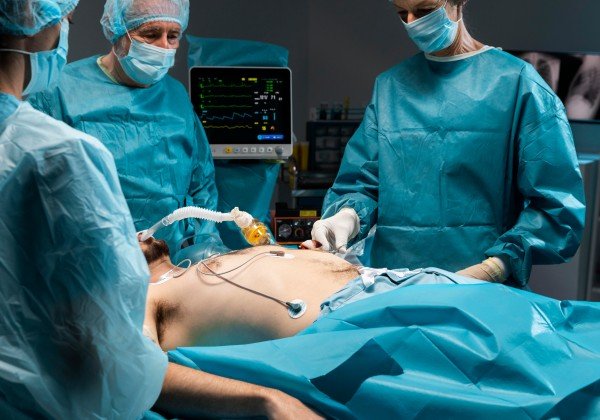
Recovering after hernia surgery involves more than allowing the incisions to heal. Patients also need to manage discomfort, follow activity restrictions, maintain a balanced diet, and attend follow-up appointments. If you are considering laparoscopic hernia surgery in West Delhi or have recently undergone the procedure, understanding the recovery process can help you prepare for a safer and more comfortable return to everyday life. Laparoscopic surgery uses small incisions and a camera to help the surgeon repair the hernia. Although many patients resume routine activities sooner than they might after open surgery, recovery varies according to the type of hernia, the repair performed, and individual health factors.
For fast information, direct chat with us on WhatsApp.
Recovery after laparoscopic hernia surgery generally involves controlling discomfort, keeping incisions clean and dry as instructed, eating a balanced diet, walking gently, and avoiding strenuous activity until the surgeon approves it. Many patients gradually return to routine activities within one to two weeks, but complete recovery and restrictions on heavy lifting can take several weeks.
What to Expect After Laparoscopic Hernia Surgery
Laparoscopic hernia repair is a minimally invasive procedure in which the surgeon uses small incisions, a camera, and specialized instruments to repair the weakened area. A surgical mesh may be used when appropriate to reinforce the abdominal wall.
During the first few days, you may experience mild pain around the incisions, tiredness, bloating, or temporary shoulder discomfort caused by the gas used during surgery. These symptoms often improve gradually.
Before discharge, your healthcare team should explain how to care for your wounds, which medicines to take, and when to return for a check-up. Follow these instructions carefully rather than relying on a general recovery timeline.
Essential Recovery Tips After Laparoscopic Hernia Repair
1. Keep the Surgical Wounds Clean
Proper wound care helps reduce the risk of infection. Follow your surgeon’s instructions about bathing, changing dressings, and keeping the incision sites dry.
- Wash your hands before touching the wound or dressing.
- Do not apply creams, powders, oils, or antiseptics unless recommended.
- Avoid soaking in a bathtub or swimming until your surgeon confirms it is safe.
- Look for increasing redness, swelling, discharge, or worsening tenderness.
Contact your healthcare provider if the wound becomes increasingly painful, opens, or develops signs of infection.
2. Manage Pain and Discomfort Safely
Some soreness and tightness are normal after surgery. Take prescribed medicines according to the recommended schedule. If you need additional pain relief, ask your surgeon or pharmacist which option is suitable for you, particularly if you have kidney disease, stomach ulcers, take blood thinners, or have other medical conditions.
Gentle movement and adequate rest can also help. Do not ignore severe or worsening pain, especially when accompanied by fever, vomiting, or abdominal swelling.
3. Start Walking and Increase Activity Gradually
Short, gentle walks are usually encouraged soon after surgery because movement supports circulation and reduces the risk of blood clots. Start with brief walks around your home and increase the distance as your comfort improves.
However, avoid heavy lifting, intense exercise, strenuous household chores, and activities that cause significant pain or strain. Your surgeon will advise when you can safely resume gym workouts, manual work, or other demanding activities.
4. Eat a Balanced Diet and Prevent Constipation
A nutritious diet supports healing. Include protein-rich foods, vegetables, fruits, whole grains, and sufficient fluids, unless your doctor has advised dietary restrictions.
Constipation can cause straining and discomfort during recovery. To reduce the risk:
- Increase dietary fibre gradually.
- Drink enough water, unless fluid intake is restricted.
- Walk regularly as tolerated.
- Ask your healthcare provider whether a stool softener or laxative is appropriate if constipation develops.
Avoid making major dietary changes without advice if you have another digestive or medical condition.
5. Get Enough Sleep and Follow Activity Restrictions
Your body needs time to recover from surgery and anaesthesia. Maintain a comfortable sleeping position, get adequate rest, and avoid pushing through fatigue.
There is no single lifting limit or recovery schedule that suits everyone. Follow the specific advice given by your surgeon, particularly if your hernia was large, recurrent, or repaired using a more complex technique.
How Long Does Recovery Take?
Recovery depends on the type of hernia, the complexity of the repair, your general health, and the physical demands of your job.
- First 24–48 hours: Rest, take prescribed medicines, and begin gentle movement as advised.
- First week: Gradually increase walking and light daily activities as comfort allows.
- One to two weeks: Some patients can return to desk-based work and routine tasks, depending on their recovery and medical advice.
- Following several weeks: Strength, comfort, and activity tolerance continue to improve. Heavy lifting and strenuous exercise may remain restricted.
These are general estimates, not guarantees. Your surgeon’s instructions should determine when you return to work, drive, exercise, and lift heavy objects. Do not drive while taking sedating pain medicines or if pain prevents you from reacting safely.
Foods and Activities to Approach With Care
During recovery, prioritise foods that you tolerate comfortably and avoid anything that worsens nausea, bloating, or constipation. Smaller meals may be easier to manage during the first few days.
You should also avoid smoking, if possible, because smoking can interfere with wound healing. If you smoke, ask your healthcare professional for support with stopping.
Do not resume strenuous exercise simply because your incisions look healed. The deeper tissues need time to recover, and premature strain may increase discomfort or interfere with healing.
Warning Signs That Need Medical Attention
Although many patients recover without serious problems, complications can occur. Contact your surgeon promptly if you experience:
- Fever or chills.
- Increasing redness, warmth, swelling, or discharge around an incision.
- Persistent or worsening abdominal pain.
- Repeated vomiting or an inability to keep fluids down.
- Difficulty passing urine or persistent abdominal distension.
- New or worsening swelling around the hernia repair.
Seek emergency medical care for sudden severe abdominal pain, breathing difficulty, chest pain, fainting, or significant leg swelling accompanied by pain or breathing symptoms. Do not wait for a routine follow-up appointment if you experience these warning signs.
Follow-Up Care After Hernia Surgery in West Delhi
Follow-up appointments allow your surgeon to assess wound healing, review pain or digestive symptoms, and advise you about returning to normal activities. Keep your discharge summary and medication list available, and report any concerns rather than changing medicines or activity restrictions independently.
If you are researching laparoscopic hernia surgery in West Delhi, choose a qualified surgeon who explains the available repair options, expected recovery, potential complications, and follow-up arrangements. Your treatment plan should reflect your medical history and the type of hernia rather than a standard timeline.
Conclusion
A smooth recovery after laparoscopic hernia repair depends on careful wound care, gentle movement, a balanced diet, adequate rest, and following your surgeon’s instructions. Although many patients return to routine activities within a relatively short period, recovery varies, and heavy lifting or strenuous exercise may require additional time. Recognising warning signs and attending follow-up appointments are equally important. If you are considering laparoscopic hernia surgery in West Delhi, consult Dr. Dhruv Kundra to understand your treatment options, likely recovery milestones, and any restrictions specific to your condition. Personalised medical advice can help you prepare for surgery and make informed decisions throughout your recovery.