
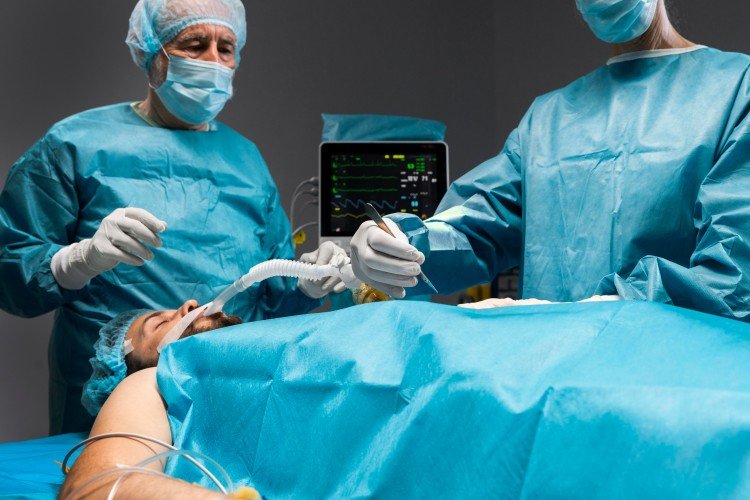
Gallstones can remain unnoticed for years, but when they cause repeated abdominal pain, inflammation, infection, or other complications, treatment may become necessary. Laparoscopic Gallstone Surgery in North Delhi generally refers to minimally invasive removal of the gallbladder, known as laparoscopic cholecystectomy. Understanding the procedure, preparation, possible risks, and recovery can help patients approach treatment with realistic expectations.
For fast information, direct chat with us on WhatsApp.
Laparoscopic gallstone surgery is a minimally invasive procedure used to remove the gallbladder when gallstones cause symptoms or complications. It is performed through small abdominal incisions using a camera and surgical instruments. Before surgery, the surgeon reviews symptoms, imaging, medical history, medications, and overall health to determine whether the procedure is appropriate.
What Are Gallstones?
Gallstones are hardened deposits that form inside the gallbladder, a small organ located beneath the liver. They may develop when the substances that make up bile become imbalanced.
Some people have gallstones without symptoms and may not require treatment. However, stones can sometimes block the bile ducts and cause problems such as biliary colic, inflammation of the gallbladder, bile duct obstruction, or pancreatitis.
Common symptoms can include:
- Pain in the upper right or upper middle abdomen
- Pain after eating, particularly after a fatty meal
- Nausea or vomiting
- Indigestion or bloating
- Pain that may extend toward the back or right shoulder
Severe or persistent abdominal pain, fever, jaundice, or repeated vomiting requires prompt medical assessment.
When Is Gallstone Surgery Recommended?
Not every person with gallstones needs surgery. The decision depends on symptoms, complications, test results, and the patient’s overall health.
Surgery may be considered when gallstones cause recurrent symptoms or complications such as acute or chronic gallbladder inflammation. Gallstones associated with certain bile duct problems or pancreatitis may also require specialist evaluation and treatment.
A surgeon may review an abdominal ultrasound, blood tests, and other investigations before recommending an appropriate treatment approach. In some situations, additional imaging or procedures may be necessary before gallbladder surgery.
Laparoscopic Gallstone Surgery in North Delhi: How Does It Work?
During laparoscopic cholecystectomy, the surgeon makes several small openings in the abdomen. A laparoscope, which contains a small camera, provides a magnified view of the surgical area.
Specialized instruments are then used to carefully identify and divide the structures connected to the gallbladder before removing it.
The operation is usually performed under general anaesthesia. Compared with traditional open surgery, the laparoscopic approach uses smaller incisions. However, the suitability of laparoscopic surgery depends on individual circumstances.
In some cases, inflammation, scar tissue, unusual anatomy, bleeding, or other findings may require the surgeon to change the surgical approach. Patients should discuss this possibility during their consultation.
What Should You Discuss Before Surgery?
A detailed preoperative consultation is an important part of safe surgical planning. Tell your surgeon about:
- Current medicines and supplements
- Previous abdominal operations
- Allergies
- Existing medical conditions
- Previous reactions to anaesthesia
- Pregnancy or the possibility of pregnancy
- Any history of bleeding or blood-clotting problems
Your doctor may also provide instructions about fasting, medication adjustments, investigations, and what to bring on the day of admission.
Do not stop prescription medicines on your own. Medication changes should be made only according to instructions from your treating doctor or surgical team.
What Is Recovery Like After Gallbladder Surgery?
Recovery varies between individuals and depends on the complexity of the operation and general health.
After laparoscopic surgery, patients may experience temporary abdominal discomfort, tiredness, or shoulder-tip discomfort caused by the gas used during the procedure. These symptoms generally improve as recovery progresses.
Patients are usually advised to gradually return to normal activities rather than pushing through pain or fatigue. Your surgeon will provide specific instructions regarding wound care, diet, physical activity, driving, and follow-up.
Dietary tolerance can also vary. Some people return to their usual diet relatively quickly, while others may initially find smaller, lighter meals easier to tolerate.
Are There Risks Associated With the Procedure?
Like any operation, laparoscopic gallbladder removal carries potential risks. These may include bleeding, infection, injury to nearby structures, bile leakage, blood clots, or complications related to anaesthesia.
There can also be a need to convert laparoscopic surgery to an open procedure when this is considered safer.
The overall risk profile depends on factors such as the patient’s health, the presence of acute inflammation, previous abdominal surgery, and the complexity of the condition. A surgeon should explain the individual risks and expected benefits before consent is taken.
Choosing a Surgeon for Gallstone Treatment in North Delhi
Choosing a surgeon involves more than searching for a procedure by location. Patients can consider whether the surgeon has relevant training and experience in laparoscopic and general surgery, explains the diagnosis clearly, discusses alternatives, and provides appropriate preoperative and postoperative guidance.
It is also useful to understand where the surgery will take place and whether appropriate anaesthesia, diagnostic, emergency, and postoperative facilities are available.
A consultation gives patients an opportunity to ask questions and understand why surgery has been recommended in their particular situation.
When Should You Seek Medical Attention?
Gallstone symptoms should not be ignored when they become severe or persistent. Seek urgent medical evaluation for intense or worsening abdominal pain, fever or chills, yellowing of the eyes or skin, persistent vomiting, dark urine, or other concerning symptoms.
These signs can sometimes indicate complications involving the gallbladder or bile ducts and require timely assessment.
5 FAQs
Frequently Asked Questions
1. Is laparoscopic surgery suitable for everyone with gallstones?
No, not everyone with gallstones needs surgery, and the laparoscopic approach may not be suitable in every case. The decision depends on symptoms, complications, medical history, imaging findings, and surgical assessment. People with symptomatic or complicated gallstone disease may be advised to consider gallbladder removal after an appropriate evaluation.
2. How long does laparoscopic gallbladder surgery take?
The duration varies depending on the patient’s condition and the complexity of the operation. Straightforward laparoscopic cholecystectomy may be completed within a relatively short operating period, but additional time may be needed for anaesthesia, preparation, and recovery. Your surgeon can provide a more specific estimate after reviewing your case.
3. Can gallstones be treated without removing the gallbladder?
Sometimes gallstones that do not cause symptoms do not require immediate treatment. However, when stones repeatedly cause symptoms or complications, gallbladder removal may be recommended. Medicines or other procedures may have specific roles in selected circumstances, so treatment should be based on the location of the stones, symptoms, complications, and medical assessment.
4. How should I prepare for gallstone surgery in North Delhi?
Preparation may include a surgical consultation, blood tests, abdominal imaging, anaesthesia assessment, and instructions about fasting or medicines. Tell the medical team about all prescription medicines, supplements, allergies, and existing conditions. Follow the hospital’s instructions carefully and do not change prescribed medication without professional advice.
5. Where can I consult a surgeon for laparoscopic gallstone treatment in North Delhi?
Patients searching for gallstone surgery in North Delhi should look for a qualified surgeon with relevant laparoscopic and general surgery experience. During consultation, ask about the diagnosis, reason for surgery, alternatives, possible complications, recovery, and follow-up arrangements. The appropriate treatment should be determined after an individual clinical assessment.
Conclusion
Gallstones do not always require surgery, but recurrent symptoms or complications may make gallbladder removal appropriate. Laparoscopic Gallstone Surgery in North Delhi offers a minimally invasive surgical approach for suitable patients, using small incisions and a camera-assisted technique. Before deciding on treatment, patients should understand their diagnosis, available options, preparation requirements, potential risks, and expected recovery. A consultation with Dr. Dhruv Kundra can help determine whether surgery is appropriate for the individual’s condition. If you are experiencing recurring upper abdominal pain or other symptoms associated with gallstones, seeking a professional medical evaluation is an important next step rather than delaying assessment.