
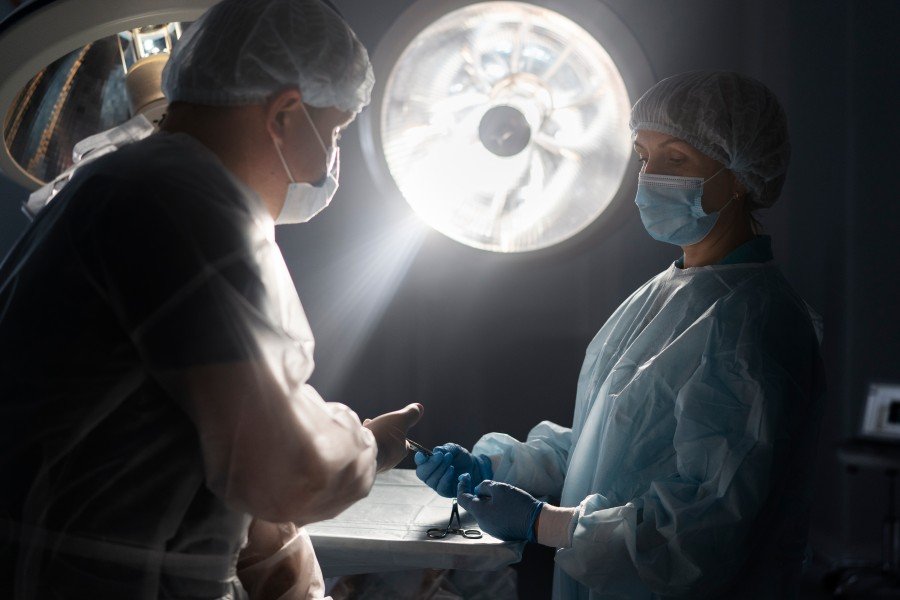
Laparoscopic surgery has changed the way many abdominal and gastrointestinal conditions are treated. Instead of making one large incision, surgeons use small openings and a camera to perform procedures with specialized instruments. If you are looking for a Laparoscopic Surgeon in New Delhi, understanding which conditions can be managed using minimally invasive techniques can help you discuss appropriate treatment options with a qualified specialist. The suitability of laparoscopic surgery depends on the condition, its severity, previous surgeries, overall health, and the surgeon’s clinical assessment. Therefore, a consultation remains essential before deciding on any procedure.
For fast information, direct chat with us on WhatsApp.
A laparoscopic surgeon may treat several conditions involving the abdomen and digestive system, including gallstones, hernias, appendicitis, certain gastrointestinal problems, and some abdominal masses. Laparoscopic techniques use small incisions and a camera to access the surgical area and may support less postoperative discomfort and faster recovery in appropriately selected patients.
What Does a Laparoscopic Surgeon Do?
A laparoscopic surgeon specializes in minimally invasive surgery, particularly procedures involving the abdomen and gastrointestinal tract. During surgery, the surgeon usually inserts a laparoscope—a thin instrument with a camera—through a small incision.
The camera provides a magnified view of the internal organs on a monitor. Additional small openings allow surgical instruments to reach the treatment area.
Compared with conventional open surgery, laparoscopic procedures often involve smaller incisions. However, the benefits and risks vary according to the individual procedure and patient.
Common Conditions Treated by a Laparoscopic Surgeon in New Delhi
1. Gallstones and Gallbladder Disease
Gallstones are hardened deposits that can develop inside the gallbladder. While some people have no symptoms, others may experience abdominal pain, nausea, vomiting, indigestion, or discomfort after eating fatty foods.
When gallstones cause recurrent symptoms or complications, doctors may recommend laparoscopic cholecystectomy, commonly known as keyhole gallbladder surgery.
The procedure involves removing the gallbladder through small abdominal incisions. It is one of the commonly performed laparoscopic operations.
2. Appendicitis
Appendicitis occurs when the appendix becomes inflamed. It can cause pain that often begins around the navel and later shifts toward the lower right abdomen. Fever, nausea, vomiting, and loss of appetite may also occur.
In suitable patients, laparoscopic appendectomy can remove the inflamed appendix through small incisions. Prompt medical assessment matters because untreated appendicitis can lead to serious complications.
If you experience sudden or worsening abdominal pain, seek medical attention rather than attempting to manage suspected appendicitis at home.
3. Inguinal and Other Abdominal Hernias
A hernia develops when an internal tissue or organ pushes through a weakened area of muscle or connective tissue. Inguinal hernias are particularly common, although hernias can occur in several areas of the abdominal wall.
Depending on the type and circumstances, a surgeon may recommend minimally invasive laparoscopic hernia repair. The procedure can involve reinforcing the weakened area, often with surgical mesh when clinically appropriate.
Treatment decisions depend on the hernia’s size, symptoms, location, previous surgery, and the patient’s overall health.
4. Incisional Hernia
An incisional hernia can develop at or near the site of a previous abdominal surgical incision. It may appear as a bulge and can become more noticeable when coughing, standing, or straining.
A laparoscopic approach may be considered for selected patients. Before recommending surgery, the surgeon evaluates the size and location of the hernia, previous operations, and other relevant health factors.
5. Gastroesophageal Reflux Disease
Persistent gastroesophageal reflux disease (GERD) can cause symptoms such as heartburn, regurgitation, chest discomfort, or difficulty swallowing.
Most people with reflux do not require surgery. However, when symptoms remain troublesome despite appropriate medical treatment, or when specific complications or anatomical problems exist, an anti-reflux procedure may be considered.
A specialist evaluates the cause of reflux before recommending any surgical intervention.
6. Hiatal Hernia
A hiatal hernia occurs when part of the stomach moves upward through an opening in the diaphragm. Some people have no symptoms, while others experience reflux, heartburn, chest discomfort, or difficulty swallowing.
Surgery may be appropriate for selected patients, particularly when symptoms are persistent or complications develop. Laparoscopic techniques can be used for certain hiatal hernia repairs, often alongside an anti-reflux procedure when indicated.
7. Certain Abdominal and Gastrointestinal Conditions
Laparoscopic techniques can also play a role in managing selected conditions affecting the abdominal cavity and digestive system. Depending on the diagnosis, minimally invasive surgery may be considered for procedures involving the stomach, intestines, or other abdominal structures.
However, not every condition is suitable for laparoscopy. The decision depends on factors such as disease extent, previous operations, anatomy, and the patient’s general condition.
How Is the Right Surgical Approach Decided?
Choosing between laparoscopic and open surgery requires more than simply considering incision size. A surgeon typically reviews:
- Medical history and previous abdominal surgeries
- Symptoms and physical examination findings
- Blood tests or imaging reports when required
- The severity and location of the condition
- Existing medical conditions
- Anaesthesia-related considerations
- Potential benefits and risks of each approach
In some situations, a laparoscopic operation may need to be converted to open surgery for safety. Your surgeon should explain this possibility before the procedure.
Potential Benefits of Minimally Invasive Surgery
When laparoscopic surgery is clinically appropriate, patients may experience several advantages compared with traditional open surgery. These can include:
- Smaller surgical incisions
- Reduced tissue disruption
- Less postoperative discomfort in many procedures
- Earlier mobility
- Smaller scars
- Potentially shorter hospital stays
- A quicker return to routine activities in suitable cases
These outcomes are not guaranteed, and recovery varies from one patient to another.
Choosing a Laparoscopic Surgeon in New Delhi
Selecting the right surgeon is an important part of surgical planning. Look for a specialist with appropriate surgical qualifications, relevant experience with your specific condition, and access to suitable hospital and diagnostic facilities.
During your consultation, ask about the recommended procedure, alternatives, expected recovery, possible complications, and follow-up care. Clear communication can help you understand what to expect before making a treatment decision.
For patients in New Delhi and surrounding areas, convenient access to specialist consultation and postoperative follow-up can also make the overall treatment journey easier.
Conclusion
Several abdominal conditions can be managed using minimally invasive techniques, including gallstones, appendicitis, hernias, hiatal hernia, and selected gastrointestinal problems. However, laparoscopic surgery is not automatically the best option for every patient. The appropriate approach depends on the diagnosis, medical history, disease severity, and overall health.
If you are considering treatment, consulting an experienced Laparoscopic Surgeon in New Delhi can help you understand your diagnosis and available surgical options. Discuss the expected benefits, risks, alternatives, recovery timeline, and follow-up requirements before making a decision. A thorough evaluation allows treatment to be planned around your individual medical needs rather than using a one-size-fits-all approach.