
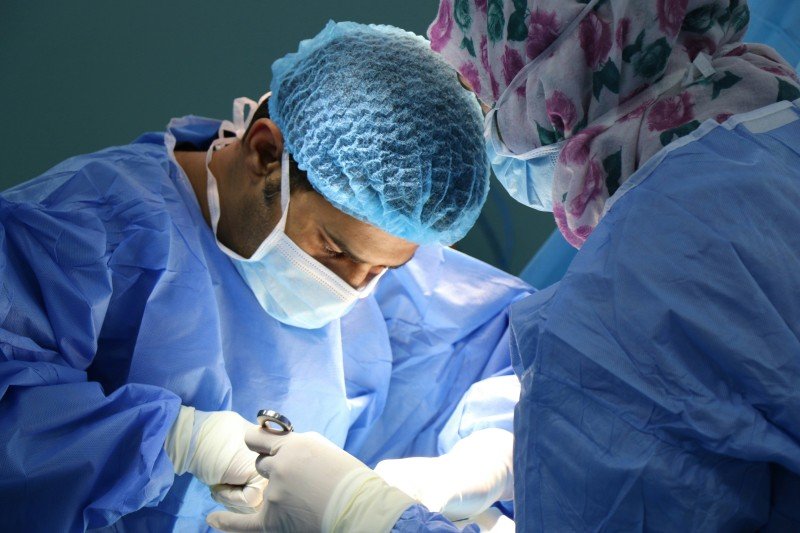
Choosing the right Laparoscopic Surgeon in North Delhi is an important step when you need surgery for a hernia, gallbladder problems, or certain abdominal conditions. Laparoscopic surgery uses small incisions and a camera to help the surgeon operate inside the body. Although this approach can offer several advantages, the right procedure depends on your diagnosis, medical history, and overall health. Before making a decision, it helps to understand what laparoscopic surgery involves, which qualifications to look for, and what questions to ask during your consultation. A well-informed choice can help you prepare for treatment and make realistic decisions about recovery.
For fast information, direct chat with us on WhatsApp.
To choose the best laparoscopic surgeon in North Delhi, check the surgeon’s qualifications, experience with your specific condition, hospital facilities, and approach to patient safety. Discuss the available surgical options, potential risks, expected recovery, and costs during consultation. The right surgeon should explain the benefits and limitations clearly without guaranteeing a particular outcome.
What Is Laparoscopic Surgery?
Laparoscopic surgery is a minimally invasive surgical technique performed through small incisions. A thin instrument with a camera, called a laparoscope, allows the surgeon to view the surgical area on a screen. Special instruments are then used to perform the required procedure.
Compared with traditional open surgery, laparoscopic techniques may offer benefits such as:
- Smaller surgical incisions
- Less postoperative pain in many cases
- Reduced wound-related complications in suitable patients
- Shorter hospital stays for certain procedures
- Earlier return to everyday activities
However, these benefits vary according to the procedure, the patient’s health, and the complexity of the condition. Some operations still require open surgery, and a laparoscopic procedure may occasionally need conversion to an open operation for safety.
How to Choose the Right Laparoscopic Surgeon in North Delhi
1. Check Qualifications and Surgical Training
Start by verifying the surgeon’s medical qualifications, postgraduate surgical training, and relevant professional registration. A surgeon’s training should match the type of operation you may need.
For example, the experience required for gallbladder removal may differ from that needed for complex hernia repair or colorectal surgery. Ask whether the surgeon regularly performs the procedure being considered and whether they can explain its benefits, limitations, and alternatives.
2. Look for Experience With Your Specific Condition
General experience in surgery is valuable, but familiarity with your particular condition also matters. Patients considering laparoscopic gallbladder surgery, hernia repair, or surgery for another abdominal problem should ask about the surgeon’s experience with that procedure.
Useful questions include:
- How is my condition diagnosed, and is surgery necessary?
- What surgical options are suitable for me?
- Why would you recommend a laparoscopic approach?
- What complications should I understand before consenting?
- Under what circumstances might open surgery be needed?
Clear answers can help you understand the treatment plan and make an informed decision.
3. Evaluate Hospital Facilities and Patient Safety
The surgeon’s skills are important, but safe surgery also depends on the wider medical team and hospital environment. Look for a facility with appropriate operating theatres, anaesthesia services, sterilisation procedures, monitoring equipment, and postoperative care.
It is also useful to ask whether the hospital can manage complications and provide emergency support if needed. Your surgeon should explain the preoperative assessments required, including blood tests, imaging, or other investigations based on your condition.
4. Understand the Recommended Surgical Approach
Laparoscopic surgery is not automatically the best option for every patient. Previous abdominal operations, severe inflammation, complex anatomy, certain medical conditions, and other factors may affect whether it is suitable.
A responsible surgeon will review your symptoms, examination findings, medical records, and test results before recommending treatment. They should also explain whether medication, observation, lifestyle measures, or another treatment could be appropriate instead of surgery.
5. Discuss Recovery, Risks, and Costs
Before scheduling an operation, ask what recovery is likely to involve. Your expected hospital stay, time away from work, activity restrictions, and follow-up schedule will depend on the procedure and your health.
Discuss the full estimated cost, including the surgeon’s fees, anaesthesia, hospital charges, investigations, medicines, and follow-up visits. If you have health insurance, confirm coverage and preauthorization requirements with your insurer and hospital.
Which Conditions May Require Laparoscopic Surgery?
Laparoscopic techniques are used for several conditions, depending on the patient’s needs and the surgeon’s assessment.
Gallbladder problems: Laparoscopic cholecystectomy is commonly used to remove the gallbladder when symptomatic gallstones or other suitable gallbladder conditions require surgery.
Hernia: Laparoscopic hernia repair may be an option for selected inguinal, ventral, or incisional hernias. The recommended technique depends on the hernia’s size, location, previous repairs, and the patient’s health.
Appendicitis: Laparoscopic appendectomy is frequently used to remove an inflamed appendix when appropriate.
Other abdominal conditions: Certain bowel and other abdominal procedures can also be performed laparoscopically. Suitability depends on the diagnosis, disease severity, and available surgical expertise.
Not every patient with these conditions needs an operation. A qualified surgeon can explain when surgery is indicated and which approach is appropriate.
What to Expect During Your Surgical Consultation
Your first consultation is an opportunity to understand your diagnosis and discuss treatment choices. Bring previous medical reports, imaging results, a list of medicines, and information about allergies or existing health conditions.
The surgeon may review your symptoms, examine you, and recommend additional investigations. If surgery is appropriate, you should receive an explanation of the procedure, anaesthesia, possible complications, alternatives, and postoperative care.
You should feel comfortable asking questions or seeking a second opinion if you remain uncertain. Informed consent means understanding the proposed treatment and having an opportunity to discuss your concerns before deciding.
Why Local Accessibility Matters
When comparing surgeons in North Delhi, consider travel time, appointment availability, hospital access, and arrangements for follow-up visits. Recovery may involve multiple reviews, so a convenient location can make ongoing care easier.
Patients from areas such as Rohini, Pitampura, Model Town, and nearby parts of West Delhi may wish to compare accessible surgical facilities. However, location should be one factor among qualifications, relevant experience, patient safety, and the quality of communication.
Choose a surgeon who explains your options honestly and helps you understand what to expect before, during, and after treatment.
5 FAQs
1. What qualifications should a laparoscopic surgeon have?
Look for a registered medical practitioner with recognised surgical qualifications and relevant training in minimally invasive surgery. Experience with your specific procedure is also important. You can ask about professional registration, surgical expertise, hospital affiliation, and how the surgeon manages complications before deciding on treatment.
2. Which conditions can be treated with laparoscopic surgery?
Laparoscopic surgery may be used for gallbladder disease, certain hernias, appendicitis, and selected bowel or other abdominal conditions. The appropriate approach depends on the diagnosis, severity, medical history, and surgical assessment. Not every condition requires surgery, so discuss the available alternatives with your treating doctor.
3. Is laparoscopic surgery safer than open surgery?
Laparoscopic surgery can offer smaller incisions, less postoperative pain, and faster recovery for many suitable procedures. However, it is not always safer or more appropriate than open surgery. The risks depend on the operation, the patient’s health, and the surgeon’s assessment. Your doctor should explain the benefits and risks of both approaches.
4. How long does recovery take after laparoscopic surgery?
Recovery varies depending on the operation and individual health. Some patients resume light activities within a few days, while others need several weeks before returning to work or strenuous activity. Follow your surgeon’s instructions about wound care, exercise, lifting, medication, and follow-up appointments rather than relying on a fixed timeline.
5. How do I find a suitable laparoscopic surgeon in North Delhi?
Compare recognised qualifications, experience with your condition, hospital facilities, consultation availability, and clarity of communication. Ask about treatment alternatives, risks, recovery, and the estimated total cost. Patients travelling from Rohini, Pitampura, or nearby areas should also consider access to postoperative reviews and emergency care.
Conclusion
Choosing the right Laparoscopic Surgeon in North Delhi involves more than finding a nearby clinic. Check the surgeon’s qualifications, experience with your specific condition, hospital facilities, and approach to patient safety. Before agreeing to surgery, understand the available treatment options, possible complications, expected recovery, and overall costs. Laparoscopic techniques can offer meaningful benefits for suitable patients, but the best approach depends on individual medical needs. If you are considering surgery for a hernia, gallbladder problem, or another abdominal condition, arrange a consultation with Dr. Dhruv Kundra. Review your reports, discuss your concerns openly, and make an informed decision based on professional medical advice.