
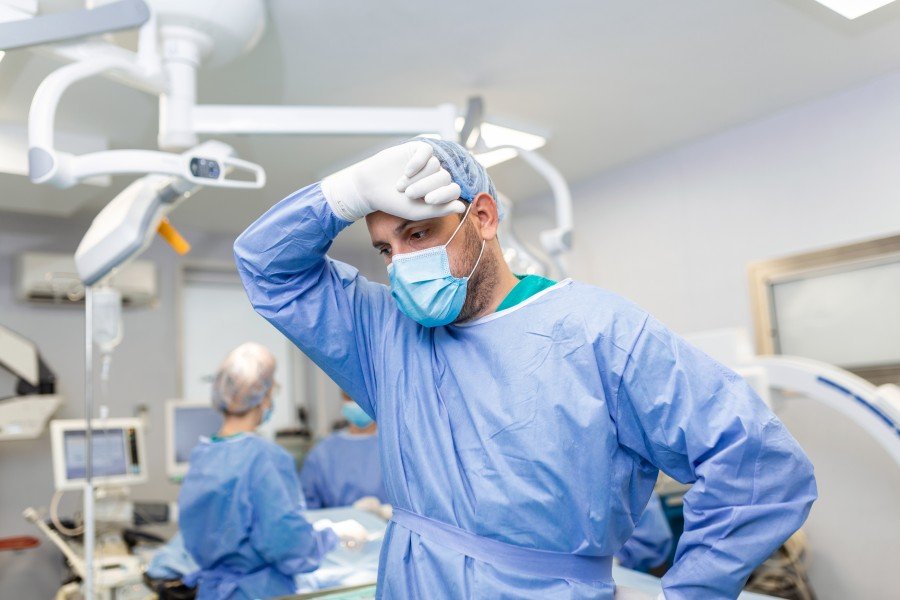
Robotic surgery is a form of minimally invasive surgery in which a surgeon controls specialized instruments through a robotic surgical system. If you are considering treatment with a Robotic Surgeon in Rajouri Garden, understanding the recovery process can help you prepare for what comes after the procedure. Recovery varies according to the operation performed, your general health, and your surgeon’s instructions.
For fast information, direct chat with us on WhatsApp.
Recovery after robotic surgery varies according to the procedure and the patient’s health. Most patients gradually resume normal activities while following instructions for wound care, medicines, exercise, diet, and follow-up. Early gentle movement may be encouraged, while heavy lifting and strenuous activity are usually restricted until the surgeon confirms it is safe.
What Is Recovery Like After Robotic Surgery?
Recovery after robotic surgery is generally planned around gradual healing rather than an immediate return to normal activities. Because many robotic procedures use small incisions, some patients may experience less discomfort and have smaller wounds than with certain traditional open procedures. However, robotic surgery is still surgery, so adequate rest and follow-up remain important.
Your healthcare team will provide specific instructions based on the procedure. These may include guidance about medicines, wound care, physical activity, diet, bathing, driving, and returning to work.
Understanding the First Few Days
The first few days are usually focused on rest, pain control, hydration, and gentle movement. Some patients can go home on the same day, while others may need to stay in the hospital depending on the complexity of the procedure and their medical condition.
Mild soreness, tiredness, bruising, or discomfort around the incision sites can occur. Your doctor may prescribe pain medicines or recommend other measures to keep you comfortable.
Walking for short periods is often encouraged once your surgical team considers it safe. Gentle movement can help prevent prolonged inactivity, but strenuous exercise and heavy lifting should be avoided until your surgeon gives you clearance.
How a Robotic Surgeon in Rajouri Garden Guides Recovery
A Robotic Surgeon in Rajouri Garden can explain the expected recovery timeline before surgery and provide procedure-specific instructions afterward. This is important because recovery from robotic prostate surgery, gastrointestinal surgery, hernia repair, or another procedure can differ considerably.
During follow-up, your surgeon may assess:
- Healing of the surgical incisions
- Pain and other symptoms
- Your ability to eat, drink, walk, and perform routine activities
- Medication requirements
- Any procedure-specific concerns
- Whether you can gradually resume normal activities
Do not compare your recovery too closely with another patient’s experience. Two people undergoing the same type of surgery may recover at different rates.
Caring for Your Incisions
Incision care is an important part of recovery. Keep the surgical sites clean and follow the instructions provided by your medical team. Depending on the closure method, you may have dressings, surgical glue, staples, or other materials covering the wounds.
Avoid applying creams, powders, or other products to the incision unless your healthcare professional recommends them. Also, do not pull at surgical glue or coverings.
Contact your healthcare team if you notice increasing redness, swelling, drainage, worsening pain, separation of the wound, or other changes that concern you.
When Can You Return to Normal Activities?
There is no single recovery timeline for every robotic operation. Your return to work, driving, exercise, and household activities depends on the type of surgery and your individual recovery.
In general, patients are encouraged to increase activity gradually rather than trying to resume their complete routine immediately. Your surgeon may place temporary restrictions on heavy lifting or vigorous exercise.
Before driving, make sure you can comfortably control the vehicle and perform an emergency stop if necessary. You should also consider whether pain medicines could affect alertness or reaction time.
If your job involves heavy physical work, ask your surgeon specifically when it is appropriate to return.
Nutrition, Hydration and Rest During Recovery
Good nutrition and adequate fluids support the body’s recovery after an operation. Unless your doctor has given you dietary restrictions, focus on balanced meals containing protein, vegetables, fruits, whole grains, and other nutrient-rich foods.
Some people experience temporary changes in appetite or bowel habits after surgery. Follow your discharge instructions and discuss persistent or troublesome symptoms with your healthcare team.
Sleep and rest are equally important. It is normal to feel more tired than usual during the early recovery period. Short periods of light activity followed by adequate rest can be more manageable than attempting to complete too much at once.
Warning Signs That Need Medical Attention
Most postoperative symptoms can be managed with appropriate care, but certain changes should not be ignored. Seek medical advice promptly if you experience symptoms such as:
- Fever or chills
- Increasing or severe pain
- Significant bleeding
- Pus or unusual drainage from an incision
- Increasing redness or swelling around the wound
- Persistent vomiting or inability to keep fluids down
- Difficulty breathing or chest pain
- Sudden or worsening swelling or pain in a limb
- Any symptom specifically identified as urgent in your discharge instructions
Severe breathing difficulty, chest pain, loss of consciousness, or other potentially life-threatening symptoms require emergency medical attention.
Preparing for Your Follow-Up Appointment
Follow-up appointments allow your surgeon to evaluate healing and address questions about recovery. Keep a record of symptoms, medications, and any changes you have noticed since the operation.
It can also help to prepare questions in advance, such as:
- Is my recovery progressing as expected?
- When can I return to work?
- When can I exercise?
- Are there any activities I should continue avoiding?
- When can I resume driving?
- Do I need any additional tests or follow-up visits?
Clear communication can make the recovery process easier to manage.
Choosing a Robotic Surgery Specialist in Rajouri Garden
If you are researching robotic surgery, do not focus only on the technology itself. Ask about the surgeon’s experience with the specific procedure, the reason robotic surgery has been recommended, possible alternatives, expected recovery, potential complications, and follow-up arrangements.
A consultation gives you an opportunity to understand whether robotic-assisted surgery is appropriate for your particular condition. The final treatment decision should be based on your diagnosis, medical history, surgical requirements, and discussion with a qualified healthcare professional.
5 FAQs
What is the typical recovery time after robotic surgery?
Recovery time depends on the type of robotic procedure and the individual’s health. Some patients return to light daily activities relatively quickly, while more complex operations require a longer recovery. Your surgeon can provide a more specific timeline based on the procedure, your medical history, and how your recovery progresses.
When can I walk after robotic surgery?
Walking is often encouraged soon after surgery when the medical team considers it safe. Initially, short and gentle walks may be recommended, with activity increased gradually. Avoid overexertion and follow your surgeon’s instructions, particularly if your procedure involved restrictions on lifting, bending, or strenuous movement.
Is pain normal after robotic surgery?
Some soreness or discomfort around the incision sites can be expected after surgery. Pain should generally be managed according to the treatment plan provided by your healthcare team. Increasing, severe, or unexpected pain should be reported rather than assumed to be a normal part of recovery.
When should I contact my surgeon after robotic surgery?
Contact your surgical team if you develop concerning symptoms such as worsening pain, significant bleeding, fever, increasing wound redness or swelling, unusual drainage, persistent vomiting, or other symptoms mentioned in your discharge instructions. Severe chest pain or difficulty breathing requires urgent emergency medical attention.
How do I choose a robotic surgeon in Rajouri Garden?
Look for a qualified surgeon with appropriate experience in the specific procedure you may need. During consultation, ask about the recommended approach, alternatives, expected recovery, possible complications, and follow-up care. Understanding why robotic-assisted surgery is suitable for your condition is more important than choosing a procedure based solely on the technology.
Conclusion
Recovery after robotic surgery is a gradual process that depends on the procedure performed, your overall health, and how your body heals. Following instructions for wound care, medicines, nutrition, activity, and follow-up can help you manage the postoperative period responsibly. It is equally important to understand which symptoms require prompt medical attention rather than assuming they are part of normal recovery. If you are considering treatment, consulting Dr. Dhruv Kundra, Robotic Surgeon in Rajouri Garden can help you understand whether robotic-assisted surgery is suitable for your condition and what recovery may involve. Discuss your expected timeline, activity restrictions, potential risks, and follow-up plan before making treatment decisions.