
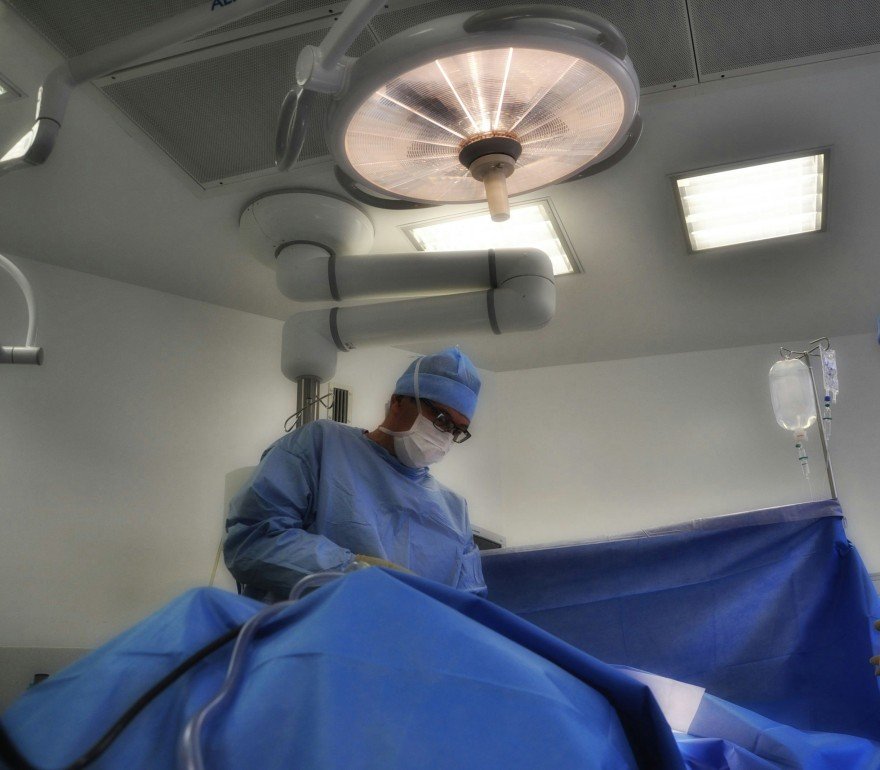
When surgery involves a complex condition, patients naturally want a treatment approach that prioritizes precision, safety, and appropriate recovery. Robotic-assisted surgery has become an important part of modern minimally invasive surgery for selected procedures. However, the technology itself is only one part of the equation. The surgeon’s training, experience, clinical judgment, and ability to determine whether robotic surgery is suitable also matter. For patients exploring advanced surgical care, consulting a Robotic Surgeon in North Delhi can help them understand whether robotic-assisted surgery is an appropriate option for their particular condition.
For fast information, direct chat with us on WhatsApp.
Dr. Dhruv Kundra uses advanced robotic-assisted surgical systems to perform selected procedures with enhanced visualization and highly controlled instrument movements. For appropriate patients, robotic surgery may offer the advantages of smaller incisions, less tissue disruption, and potentially faster recovery. However, suitability depends on the condition, procedure, and surgeon’s clinical assessment.
What Is Robotic-Assisted Surgery?
Robotic surgery is a form of minimally invasive surgery in which a surgeon controls specialized instruments through a robotic surgical system. The robot does not independently perform the operation. Instead, the surgeon remains in control throughout the procedure.
The system can provide a magnified, three-dimensional view of the surgical area and allow precise movement of specialized instruments. These features can be particularly useful when a procedure involves small or difficult-to-access anatomical spaces.
Importantly, robotic surgery does not automatically make every operation better. A conventional laparoscopic or open procedure may be more appropriate in some cases. A responsible surgeon considers the patient’s medical history, diagnosis, anatomy, previous surgeries, and overall health before recommending an approach.
Key Benefits of Robotic Surgery for Complex Procedures
1. Enhanced Visualization
Robotic surgical platforms can provide a magnified, three-dimensional view of the operative field. This visualization can help the surgeon identify anatomical structures and work carefully around delicate tissues.
For technically demanding procedures, improved visualization may support accurate dissection and reconstruction. Nevertheless, the quality of the result still depends heavily on the surgeon’s expertise and decision-making.
2. Greater Instrument Control
Traditional laparoscopic instruments have limited movement compared with the human wrist. Robotic instruments are designed to provide a broader range of controlled movements.
This flexibility can be valuable when a surgeon needs to work within confined anatomical spaces or perform intricate surgical steps. Consequently, robotic assistance may be useful for selected complex procedures where precision matters.
3. Minimally Invasive Approach
Many robotic procedures use several small incisions instead of one large surgical incision. Smaller access points can reduce disruption to surrounding tissues compared with some traditional approaches.
Depending on the procedure and individual patient, this may contribute to less postoperative discomfort, smaller scars, and an easier early recovery. However, these benefits vary according to the operation and the patient’s health.
4. Potentially Faster Recovery
Because robotic surgery is often performed through minimally invasive techniques, some appropriately selected patients may return to normal activities sooner than they would after certain open procedures.
Recovery, however, is never identical for everyone. The complexity of surgery, underlying disease, age, general health, postoperative care, and adherence to medical advice all influence recovery time.
5. Useful for Selected Complex Operations
Robotic assistance can be considered for various procedures depending on the surgeon’s specialty and available technology. In some situations, it may help surgeons perform technically demanding operations through minimally invasive access.
The important point is that robotic surgery is a technique rather than a diagnosis-specific treatment. Patients should first understand their condition and available treatment options before focusing on the technology used.
Why Choosing the Right Robotic Surgeon Matters
The surgical robot provides advanced capabilities, but it does not replace the surgeon. The person controlling the system makes the clinical decisions before, during, and after the operation.
When looking for a Robotic Surgeon in North Delhi, patients should consider several factors.
Surgical Training and Experience
Ask about the surgeon’s qualifications, relevant specialty training, and experience with the specific procedure being considered. Experience with robotic technology is useful, but experience with the particular operation is equally important.
Appropriate Patient Selection
A good surgeon should explain not only why robotic surgery may help but also when another approach might be preferable. This balanced discussion allows patients to make informed decisions without assuming that newer technology is always the best choice.
Clear Explanation of Risks and Benefits
Every surgical procedure carries potential risks. These may include bleeding, infection, injury to nearby structures, anesthesia-related complications, blood clots, or the need for additional treatment.
Before surgery, the surgeon should explain the expected benefits, limitations, alternatives, and procedure-specific risks in language the patient can understand.
Access to Comprehensive Surgical Care
Complex surgery requires more than an operating system. An appropriate hospital environment should have trained surgical, anesthesia, nursing, imaging, and postoperative support teams.
Therefore, patients should evaluate the complete care pathway rather than choosing a surgeon based only on the availability of robotic technology.
Robotic Surgery vs Traditional Surgery: Is Robotic Always Better?
Not necessarily. Robotic-assisted surgery can provide specific technical advantages, but it is not automatically superior for every patient or every procedure.
For some conditions, conventional laparoscopy may provide excellent results. In other situations, open surgery may offer the safest or most appropriate approach. The right choice depends on factors such as the disease, surgical complexity, previous operations, anatomy, and the surgeon’s expertise.
A useful consultation should therefore answer a simple question: Which surgical approach is safest and most appropriate for me? The presence of a robotic system should be considered as part of that decision, not as the sole reason for choosing treatment.
Questions to Ask Before Robotic Surgery
Before scheduling a procedure, consider asking:
- What is the exact diagnosis and purpose of surgery?
- Is robotic surgery appropriate for my condition?
- What are the alternatives?
- How experienced is the surgeon with this specific procedure?
- What are the possible complications?
- How long might recovery take?
- What postoperative care will I need?
- What happens if the surgical approach needs to change during the operation?
These questions can make your consultation more productive and help you understand the treatment plan.
When Should You Consult a Robotic Surgeon in North Delhi?
You may consider a consultation when your doctor has recommended surgery and robotic-assisted treatment is among the available approaches. A specialist consultation can help determine whether minimally invasive robotic surgery is appropriate for your individual circumstances.
It is particularly important to seek specialist advice when a procedure is technically complex, when you have undergone previous abdominal or pelvic surgery, or when you want to understand the differences between open, laparoscopic, and robotic approaches.
Remember that an online article cannot determine whether you personally need robotic surgery. A physical examination, diagnostic evaluation, and review of your medical history are essential.
Frequently Asked Questions
1. What is the main advantage of robotic-assisted surgery?
The main advantage is that robotic systems can provide the surgeon with enhanced visualization and precise, controlled instrument movement during selected minimally invasive procedures. Depending on the operation, this may help with technically demanding surgical steps. However, the potential benefits vary by procedure and patient, so robotic surgery should not be considered automatically superior.
2. Is robotic surgery safer than open surgery?
Robotic surgery can be safe and effective for appropriately selected patients, but safety depends on the specific procedure, patient factors, surgical team, and surgeon’s experience. It is not inherently safer for every condition. During consultation, patients should discuss the expected benefits, risks, alternatives, and reasons for selecting a particular surgical approach.
3. How do I choose a robotic surgeon in North Delhi?
Look at the surgeon’s qualifications, specialty training, experience with the specific procedure, hospital facilities, and approach to patient counselling. Ask how often the surgeon performs the procedure and whether robotic surgery is genuinely appropriate for your condition. A good consultation should include alternatives and potential risks rather than focusing only on the technology.
4. How long does recovery take after robotic surgery?
Recovery varies considerably depending on the operation, overall health, and complexity of the condition. Some minimally invasive procedures allow patients to resume routine activities relatively quickly, while complex operations require more time. Your surgeon should provide procedure-specific guidance about hospital stay, physical activity, wound care, diet, medication, and follow-up.
5. Can every complex procedure be performed robotically?
No. Robotic technology is suitable for selected procedures and patients, but it is not appropriate for every surgical situation. Factors such as the location and extent of disease, previous surgery, anatomy, medical conditions, and available expertise can influence the decision. Your surgeon should explain whether robotic, laparoscopic, or open surgery best fits your circumstances.
Conclusion
Robotic-assisted surgery can provide valuable technical advantages for selected complex procedures, including enhanced visualization, controlled instrument movement, and minimally invasive access. However, the technology alone does not determine the quality or suitability of treatment. The surgeon’s expertise, patient selection, hospital support, and careful planning remain essential.
If you are considering complex surgery, consulting a qualified Robotic Surgeon in North Delhi can help you understand whether a robotic approach is appropriate for your condition. Discuss the expected benefits, possible risks, alternatives, recovery, and the surgeon’s experience with your specific procedure. A well-informed consultation is the best starting point for making a confident and medically appropriate treatment decision.