
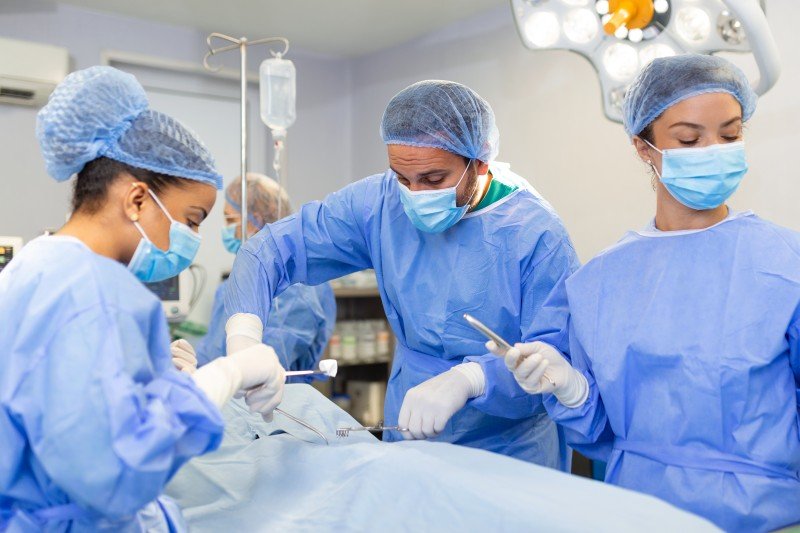
Gallstones can cause sudden abdominal pain, indigestion, nausea, and other uncomfortable symptoms. When gallstones repeatedly cause problems, your doctor may recommend gallbladder removal. Laparoscopic gallstone surgery in West Delhi is a minimally invasive approach that uses small incisions and a camera to remove the gallbladder. Understanding the procedure, benefits, recovery, and possible risks can help you make an informed decision about treatment.
For fast information, direct chat with us on WhatsApp.
Laparoscopic gallstone surgery, commonly called laparoscopic cholecystectomy, removes the gallbladder through small abdominal incisions using a camera and specialized instruments. Dr. Dhruv Kundra commonly recommend it for symptomatic or complicated gallstones. Compared with open surgery, it generally involves smaller incisions, less postoperative discomfort, and a faster recovery.
What Are Gallstones?
Gallstones are hardened deposits that develop inside the gallbladder. The gallbladder is a small organ beneath the liver that stores and concentrates bile, which helps digest fats.
Some people have gallstones without any symptoms. However, stones can sometimes block the flow of bile and cause problems.
Common symptoms include:
- Pain in the upper right or upper-middle abdomen
- Pain after eating, particularly after fatty meals
- Nausea or vomiting
- Bloating or indigestion
- Pain that may spread toward the back or right shoulder
If a stone blocks a bile duct, it can sometimes lead to jaundice, infection, pancreatitis, or other complications. Therefore, persistent or severe symptoms need proper medical evaluation.
When Is Gallstone Surgery Recommended?
Not everyone with gallstones requires surgery. Doctors usually consider treatment based on symptoms, complications, medical history, and examination findings.
Surgery may be recommended when gallstones cause:
- Repeated episodes of biliary colic
- Acute or recurrent cholecystitis
- Complications involving the bile ducts
- Gallstone-related pancreatitis
- Significant or persistent symptoms
- Other gallbladder problems where removal offers the safest treatment
Your surgeon may recommend blood tests and imaging, commonly an abdominal ultrasound, to understand the condition. Additional tests may be appropriate when doctors suspect a bile duct stone or another complication.
How Laparoscopic Gallstone Surgery in West Delhi Is Performed
During laparoscopic gallstone surgery in West Delhi, the surgeon typically makes several small incisions in the abdomen. Carbon dioxide gas gently inflates the abdominal cavity, creating space to work safely.
A laparoscope, which has a small camera and light, enters through one incision. The surgeon views the surgical area on a monitor and uses specialized instruments through the other small openings.
The surgeon carefully identifies and divides the structures connected to the gallbladder. The gallbladder is then separated from the liver and removed through one of the small incisions.
The procedure usually takes around one to two hours, although the duration can vary depending on the patient’s condition and surgical findings.
What If Laparoscopic Surgery Is Not Suitable?
Although laparoscopic surgery is widely used, it may not be appropriate in every situation. Severe inflammation, extensive scarring, unusual anatomy, previous abdominal surgery, or unexpected findings can sometimes make laparoscopic surgery more difficult.
In selected cases, the surgeon may convert the operation to an open procedure. This decision prioritizes patient safety rather than indicating that the surgery has failed.
Benefits of Laparoscopic Gallstone Surgery
Laparoscopic cholecystectomy has become a commonly performed treatment for symptomatic gallbladder disease because it avoids the larger incision used in traditional open surgery.
Potential benefits include:
- Smaller abdominal incisions
- Less tissue disruption
- Generally less postoperative pain
- Reduced wound-related problems
- Shorter hospital stay in appropriate patients
- Earlier return to everyday activities
- Smaller scars compared with open surgery
However, individual recovery varies. Your overall health, age, gallbladder condition, and the complexity of surgery can all affect the outcome.
Recovery After Laparoscopic Gallstone Surgery
Many patients can return home on the same day or after a short hospital stay, depending on their health and the surgeon’s assessment.
During the first few days, mild abdominal discomfort, tiredness, or temporary digestive changes can occur. Following your surgeon’s instructions can make recovery smoother.
Practical Recovery Tips
- Take prescribed medicines as directed.
- Keep the incision areas clean and follow wound-care instructions.
- Start with lighter meals if your stomach feels sensitive.
- Drink enough fluids unless your doctor advises otherwise.
- Gradually increase walking and normal activity.
- Avoid strenuous exercise and heavy lifting until your surgeon clears you.
- Attend the recommended follow-up appointment.
Most people gradually resume normal activities within a few days to a few weeks. Your surgeon can provide a more personalized timeline based on your recovery.
Diet After Gallbladder Removal
You can generally live normally without a gallbladder because bile continues to reach the intestine from the liver. However, some people notice temporary digestive changes after surgery.
For the early recovery period, smaller meals may feel more comfortable. Limiting very fatty, greasy, or heavily fried foods can also help if they trigger discomfort.
As digestion settles, many patients can gradually return to a balanced diet. There is no single mandatory long-term diet for everyone after gallbladder removal.
Risks and Possible Complications
Like any surgical procedure, laparoscopic gallstone surgery carries potential risks. Fortunately, serious complications are uncommon, but patients should understand them before consenting to treatment.
Possible complications include:
- Bleeding
- Infection
- Injury to nearby organs or blood vessels
- Bile leakage
- Bile duct injury
- Blood clots
- Reactions to anesthesia
- Retained stones in the bile duct
Some patients may also experience temporary diarrhea, bloating, or changes in bowel habits after gallbladder removal.
Contact your healthcare team promptly if you develop severe or worsening abdominal pain, persistent vomiting, fever, increasing redness or discharge around an incision, jaundice, breathing difficulty, or other concerning symptoms.
Choosing the Right Surgeon for Gallstone Treatment
Choosing an experienced laparoscopic surgeon is an important part of treatment. During your consultation, ask about the recommended procedure, expected recovery, possible complications, and whether additional tests are required.
Patients in West Delhi and nearby areas can consider factors such as the surgeon’s experience with laparoscopic procedures, hospital facilities, anesthesia support, emergency care availability, and follow-up arrangements.
Most importantly, do not choose treatment based only on claims of faster recovery or smaller scars. A safe and appropriate surgical plan should remain the priority.
Conclusion
Gallstones do not always require surgery, but recurrent pain, inflammation, bile duct problems, or other complications may make gallbladder removal the appropriate treatment. Laparoscopic gallstone surgery in West Delhi offers a minimally invasive approach with small incisions and generally quicker recovery than traditional open surgery. Still, every patient has different medical needs, so the right treatment should follow a proper evaluation rather than symptoms alone. If you experience recurring abdominal pain, nausea after meals, jaundice, or other symptoms associated with gallstones, consult a qualified surgeon for assessment. A timely consultation can help identify the cause and determine whether laparoscopic gallbladder surgery is suitable for you.