
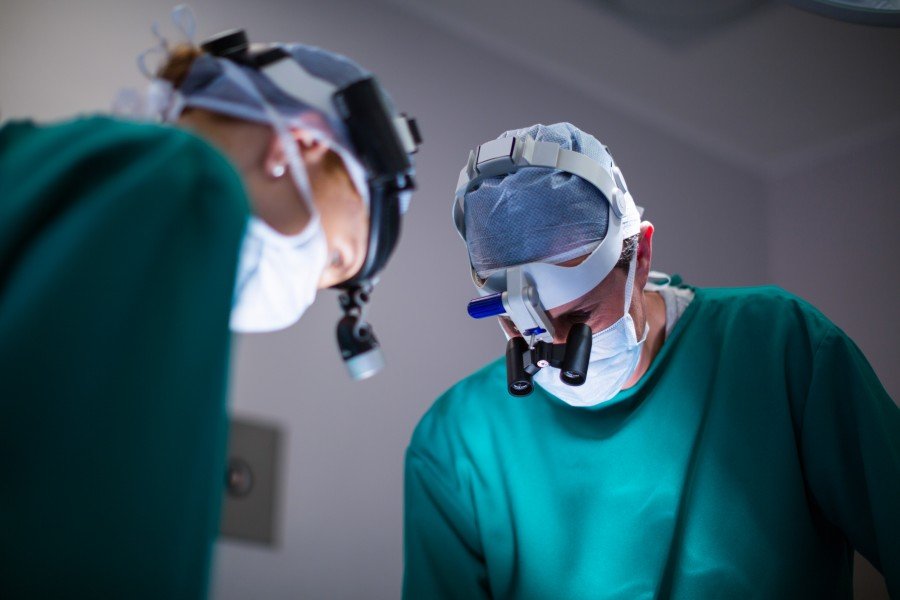
Piles, also known as hemorrhoids, can cause pain, bleeding, itching, swelling, and discomfort during bowel movements. When symptoms continue despite dietary changes and medicines, a surgical procedure may become an option. Laser Piles Surgery in Patel Nagar Delhi is a minimally invasive treatment approach that may be recommended for selected patients after a proper examination and diagnosis. Understanding what happens before, during, and after the procedure can make the treatment process less stressful. It also helps patients know what questions to ask their surgeon and how to prepare for recovery.
For fast information, direct chat with us on WhatsApp.
Laser piles surgery is a minimally invasive procedure used to treat selected symptomatic hemorrhoids. Before surgery, Dr. Dhruv Kundra evaluates the piles and overall health. During treatment, laser energy is used to shrink or close the affected hemorrhoidal tissue. Afterward, patients generally follow dietary, hygiene, medication, and activity instructions to support recovery.
What Are Piles and When Do They Need Treatment?
Piles are swollen blood vessels and supporting tissues around the anus and lower rectum. They can develop internally or externally and may cause symptoms such as:
- Bright-red bleeding during or after bowel movements
- Pain or discomfort
- Itching or irritation around the anus
- A lump or swelling
- Difficulty sitting comfortably
- Prolapse of internal hemorrhoids
Not every case requires surgery. Mild hemorrhoids may improve with increased fibre, adequate fluids, improved bowel habits, and appropriate medicines.
However, persistent bleeding, recurrent symptoms, prolapse, or advanced hemorrhoids may require a specialist assessment. A surgeon should also investigate rectal bleeding rather than automatically assuming that piles are the cause.
Who May Need Laser Piles Surgery?
Laser treatment is not automatically suitable for every patient with hemorrhoids. The choice depends on the type, size, grade, symptoms, previous treatments, and overall health.
A colorectal or general surgeon may consider an interventional treatment when:
- Symptoms continue despite conservative treatment.
- Hemorrhoids repeatedly prolapse.
- Bleeding keeps returning.
- Enlarged hemorrhoids significantly affect daily activities.
- The patient has suitable hemorrhoids for the selected laser technique.
The surgeon will explain whether laser treatment is appropriate or whether another procedure would provide a better result.
Preparing for Laser Piles Surgery in Patel Nagar Delhi
1. Consultation and examination
The first step involves a detailed consultation. Your surgeon may ask about bleeding, bowel habits, pain, constipation, previous treatments, medications, and other health conditions.
A physical examination is important because symptoms such as bleeding can have several causes. Depending on your symptoms and age, the doctor may recommend additional evaluation.
2. Discussing medicines and medical history
Tell your surgeon about all medicines and supplements you take. This is particularly important if you use blood-thinning medicines or have conditions such as diabetes, hypertension, or bleeding disorders.
Do not stop prescribed medicines on your own. Your surgeon or anaesthetist will advise you about any necessary changes before the procedure.
3. Following pre-operative instructions
Your medical team may provide instructions about eating, drinking, bowel preparation, and medications before surgery. Follow these instructions carefully.
You should also arrange transportation and, if advised, have someone available to assist you after the procedure.
What Happens During Laser Piles Surgery?
The exact technique can vary according to the patient’s condition and the surgeon’s approach.
Generally, anaesthesia is provided to keep the patient comfortable. The surgeon then accesses the affected hemorrhoidal tissue and uses controlled laser energy as appropriate to the condition. The objective may be to reduce the size of the hemorrhoidal tissue and address the blood supply contributing to the problem.
One important point is that the term “laser piles surgery” can refer to different techniques. Therefore, patients should ask their surgeon exactly which procedure is being recommended and why it suits their condition.
The duration of treatment and whether the patient can return home the same day depend on the procedure, anaesthesia, medical history, and recovery after surgery.
What to Expect Immediately After Surgery?
After the procedure, Dr. Dhruv Kundra monitors you until you are sufficiently recovered from anaesthesia.
You may experience some soreness, pressure, mild discomfort, or changes in bowel movements during the initial recovery period. Your surgeon may prescribe pain-relieving medicines and provide specific instructions for wound and bowel care.
Although laser techniques are often designed to be less invasive than some traditional surgical approaches, recovery varies from person to person.
Diet and bowel habits matter
One of the most important parts of recovery is avoiding hard stools and straining. Your doctor may recommend:
- Drinking adequate fluids
- Eating fibre-rich foods
- Using a stool softener or fibre supplement when advised
- Avoiding prolonged sitting on the toilet
- Responding to the urge to pass stool instead of delaying it
- Following prescribed medicines correctly
These measures can help make bowel movements more comfortable and reduce unnecessary pressure on the treated area.
Recovery After Laser Piles Surgery
Recovery depends on the extent of treatment and individual health. Many patients can gradually resume normal activities according to their surgeon’s advice, but returning to strenuous exercise or heavy lifting too soon may not be appropriate.
Keep the area clean and follow the hygiene instructions provided by your healthcare team. Warm-water sitz baths may be recommended in some cases for comfort.
You should also attend any scheduled follow-up appointment. A follow-up allows the surgeon to assess healing and address symptoms or concerns.
When Should You Contact Your Surgeon?
Some discomfort can occur after treatment, but certain symptoms require prompt medical attention.
Contact your healthcare provider if you experience:
- Heavy or persistent bleeding
- Fever or chills
- Increasing rather than improving pain
- Difficulty passing urine
- Severe swelling
- Persistent vomiting or inability to keep fluids down
- Other symptoms that concern you
Do not rely on online information to assess a potentially serious post-operative complication. Your treating medical team is best placed to advise you.
How to Reduce the Risk of Piles Returning
Treatment addresses existing hemorrhoids, but healthy bowel habits remain important afterward. Constipation and repeated straining can contribute to recurrent symptoms.
To support long-term bowel health:
- Include adequate dietary fibre.
- Drink sufficient water unless medically restricted.
- Stay physically active.
- Avoid prolonged toilet sitting.
- Avoid unnecessary straining.
- Address recurring constipation with medical guidance.
These habits are useful whether you undergo laser treatment or another form of hemorrhoid management.
Choosing Laser Piles Surgery in Patel Nagar Delhi
Choosing a surgeon should involve more than simply comparing procedure names. Ask about the surgeon’s experience with hemorrhoid treatment, the technique being recommended, expected recovery, potential risks, alternatives, and follow-up care.
Patients looking for Laser Piles Surgery in Patel Nagar Delhi can also consider accessibility and continuity of care. A convenient location can make consultations and follow-up visits easier, but the most important consideration remains appropriate diagnosis and treatment by a qualified medical professional.
Conclusion
Laser piles surgery can be an effective treatment option for selected patients with symptomatic hemorrhoids, but the right approach depends on the individual’s condition. Before treatment, a proper examination helps determine whether surgery is necessary and whether a laser technique is suitable. During the procedure, the surgeon uses a carefully controlled technique based on the diagnosed hemorrhoids. Afterward, following dietary, hygiene, medication, and activity instructions can support recovery.
If you are considering Laser Piles Surgery in Patel Nagar Delhi, consult a qualified surgeon to discuss your symptoms, treatment options, expected recovery, and potential risks. An individualized assessment is the best way to choose an appropriate treatment plan.